

Canary Data's Joe O'Donnell builds AI tools aimed at the work he did as a hedge fund analyst
A 13-year hedge-fund veteran is turning his old workflow, mining filings and statements for signal, into software.

Joe O'Donnell, a former hedge-fund analyst who spent 13 years mining financial statements and securities filings for trading signals, is now running Canary Data, a startup building AI tools aimed at automating the kind of bottom-up research work he used to do himself, according to The Wall Street Journal.
The Journal's profile is short on product specifics and does not disclose funding, customer count, or which fund types Canary Data is targeting first. What it does establish is the founder thesis: someone who spent more than a decade doing the work knows where the time goes, and where a model can plausibly take it.
That is the recurring pattern in this category. Founders with buy-side or sell-side tenure are the ones most credibly selling AI back into research seats, because they can name the specific tasks, ticking and tying a 10-K against a press release, pulling segment data into a comp set, reconciling guidance against the prior call, that eat a junior analyst's day. Tools pitched by founders without that background tend to land as generic document Q&A.
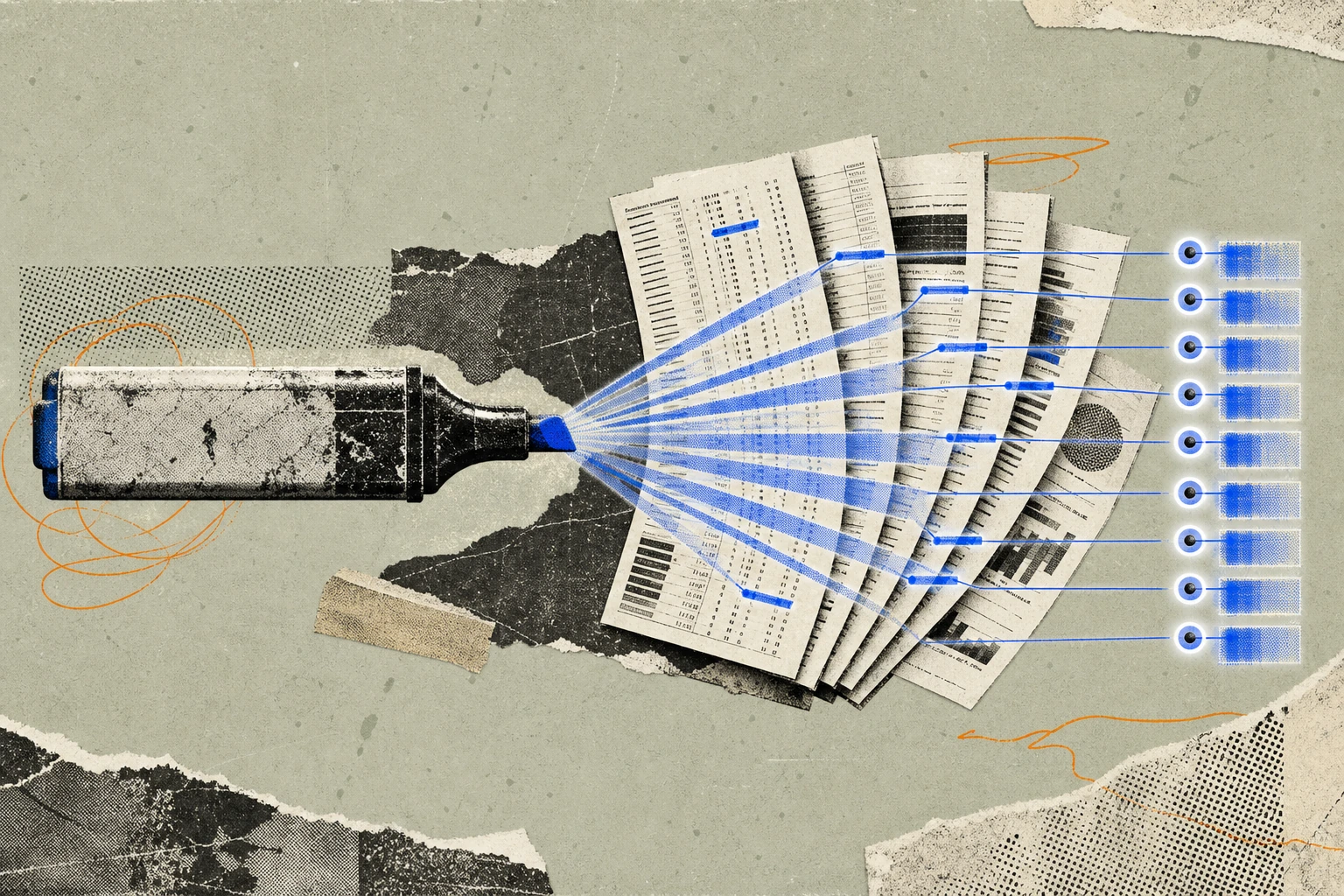
Canary Data joins a crowded field. AlphaSense, Hebbia, Rogo, and a longer tail of point tools all market some version of AI-assisted equity research to hedge funds, asset managers, and sell-side desks. The WSJ piece does not position Canary Data against any of them by name, and does not disclose whether O'Donnell is targeting fundamental long-short funds, multi-managers, or a broader asset-management buyer.
The profile frame, a veteran trying to obsolete his past self, is the version of the story the buy-side reads sympathetically. It is also the version that skips the harder question: which parts of an analyst's job actually compress under current models, and which parts (judgment, IC defensibility, the call with the CFO) do not.
The WSJ piece does not include a fundraising disclosure, a customer list, or a product roadmap, so the next data points to watch are the standard ones for a stealth-adjacent startup in this category: a named anchor customer, a Series A announcement, or a public benchmark against the incumbents.
Powering institutional-grade transcription for expert networks.
INFLXD provides AI-powered, human-edited transcription with sub-1% error rates for the world's leading expert networks and financial research firms.
Visit inflxd.com →Keep reading.

Magnetar prepares AI-agent equity fund for 2026 launch
The $18 billion firm is building a long-biased equity strategy where hundreds of AI agents handle research work normally done by analyst teams.

Accenture Ventures takes stake in AlphaSense, sets agentic workflow partnership
The consulting firm's venture arm backs the market intelligence platform as the two move to embed AlphaSense data inside enterprise AI agents.

AlphaSense raises $350M at $7.5B valuation, crosses $600M ARR
The market intelligence platform extends its content moat and AI roadmap with fresh capital from J.P. Morgan Private Capital and Viking Global Investors.