
AI & Data
Bridgewater CIO Greg Jensen says AI is already doing the equity analyst job
On Bloomberg's Odd Lots, Jensen said machine-side outputs at the fund now stand next to a 50-year human research process.
INFLXD Research··

Are your experts using AI to cheat?
Try our free demo to find out today.
On Bloomberg's Odd Lots, Jensen said machine-side outputs at the fund now stand next to a 50-year human research process.
The vertical release bundles data connectors, cited research, and deck generation, and lands on FactSet and S&P Global's turf.

Four global banks back the financial AI startup as it pushes its analyst-facing tools past its initial Wall Street footprint.

The integration wires PitchBook's private company records into Maverick, Maywood's proactive agent for dealmakers.
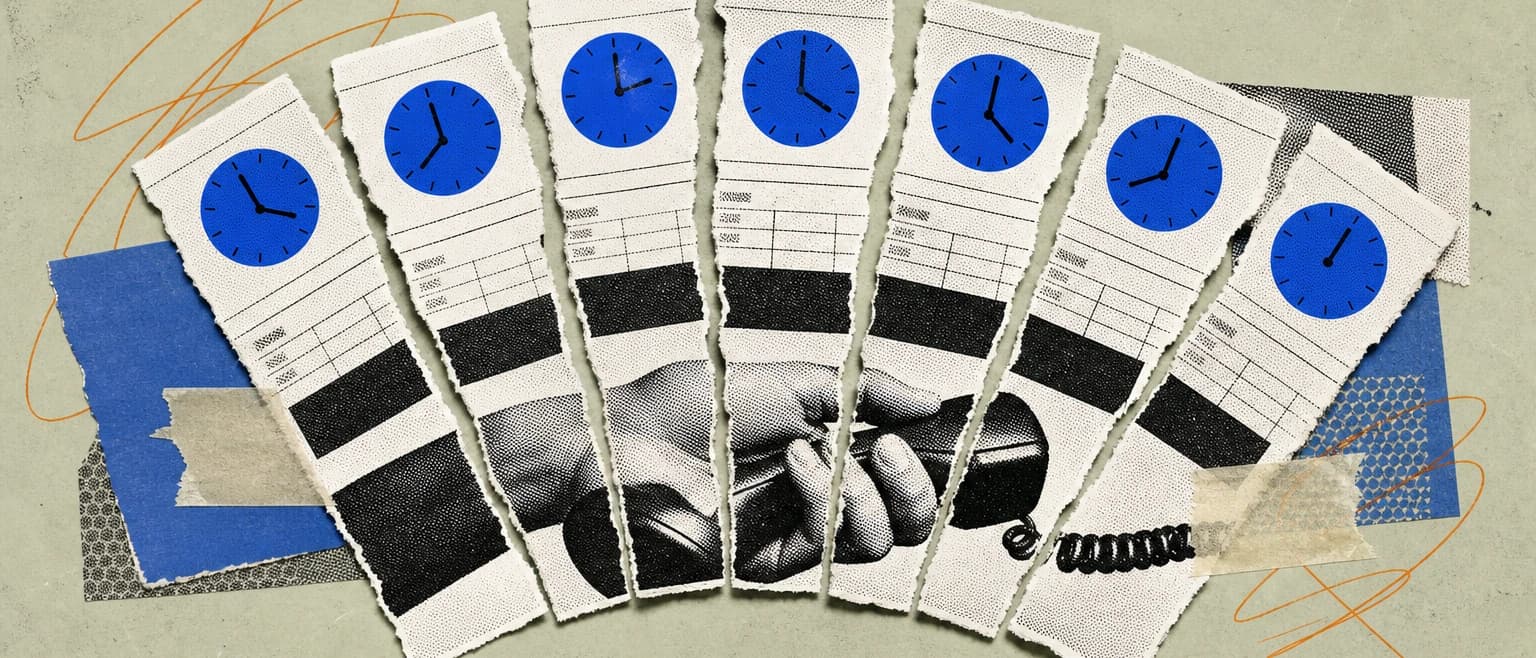
Reschedules are the highest-frequency friction event in expert-network workflows. The seven common handling models each trade analyst time, biller-hour drift, and consent integrity differently.
The pre-panel verification step that determines cost, panel size, and litigation exposure at every major expert network.

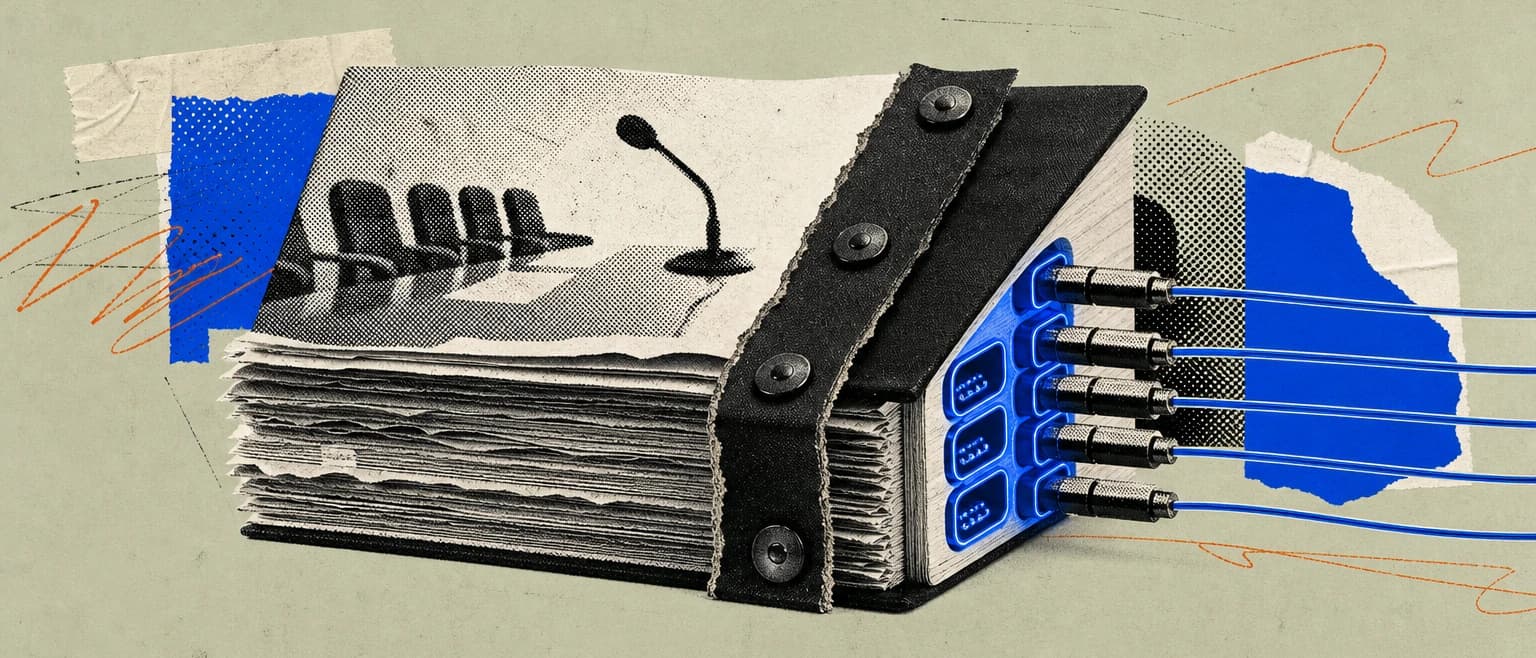
Model Context Protocol has moved from developer curiosity to enterprise wiring in under a year. The research-vendor stack is next.

Recording consent is migrating from PDF cover sheets and verbal preambles into typed transcript-header fields, and the expert networks that publish the schema first will shape how agent runtimes route their content.

As agents chain transcripts, earnings calls, and licensed research inside a single workflow, the recordkeeping burden is landing on vendors, and 2026 renewals will show it.
INFLXD Media reports expert network news, deals, and intelligence, powered by INFLXD, the human-perfect transcription platform trusted by expert networks and financial research institutions worldwide. If you can't afford any mistakes in your transcriptions, visit INFLXD.com
About the newsroom →