

Connecticut Supreme Court asked to toss case over AI-hallucinated citations
A landlord's brief cited cases that don't exist. The state's rules committee is now weighing a verification requirement for AI-assisted filings.
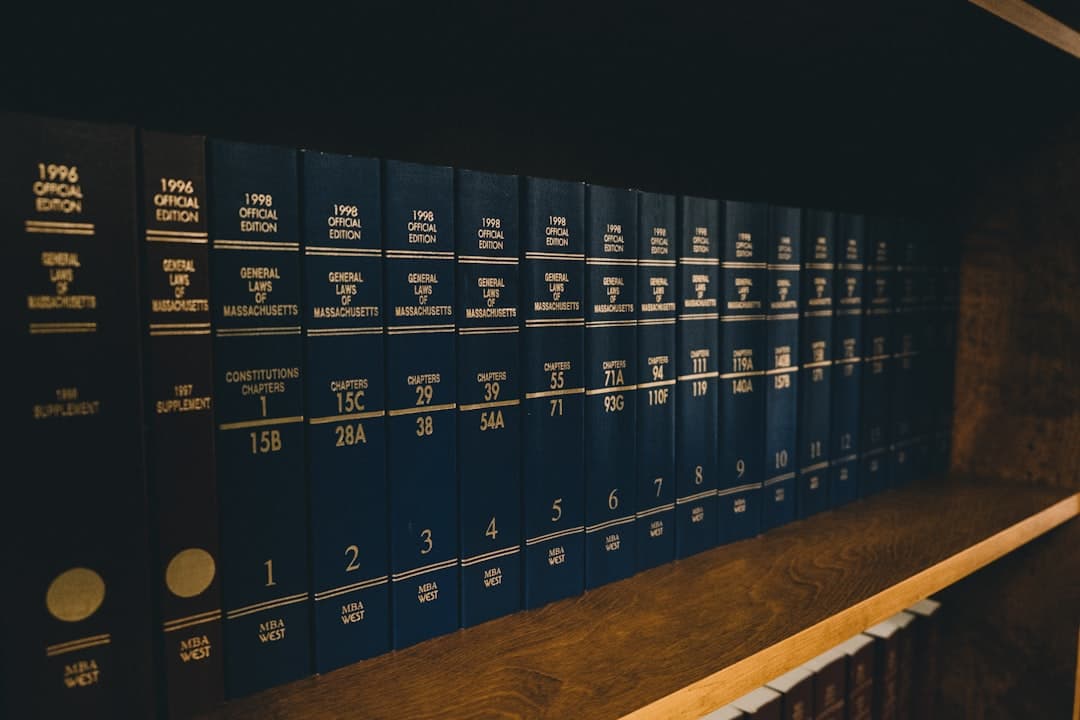
Lawyers for a Brooklyn-based landlord filed a lower-court brief in Connecticut that contained fabricated case citations generated by AI, and the opposing side has now asked the state Supreme Court to dismiss the case on those grounds.
The brief seeking dismissal, which incorporates work from students at Yale Law School's Jerome N. Frank Legal Services Organization, identifies quoted language in citations submitted by plaintiff's counsel Wallingford-based GLG Law LLC that does not appear in the cited case. According to the filing, no other court has ever written the phrase in question. GLG Law, in a memo to the Supreme Court, acknowledged errors in its brief tied to the use of generative AI and a failure to properly verify citations.
What the rules committee is considering
At its Feb. 9 meeting, the Rules Committee of the Connecticut Superior Court took up a proposal that would require attorneys who use AI programs in legal research to certify that they have independently verified citation accuracy, according to meeting minutes. The proposal mirrors steps taken by individual federal judges around the country who have issued standing orders on AI use, though Connecticut would be moving toward a court-wide rule rather than judge-by-judge discretion.
The federal court notice referenced in the dismissal brief frames the standard bluntly: a "no-tolerance policy" for any briefing, AI-assisted or otherwise, that hallucinates legal propositions or severely misstates the law. The phrasing matters. It collapses the distinction between AI-caused error and human-caused error, putting the burden squarely on the filer.
How the hallucinations were caught
The defect that triggered the dismissal motion is the type of error that AI-generated text produces most reliably: a real-sounding citation attached to a quoted phrase that does not exist in the cited opinion. Yale's Jerome N. Frank Legal Services Organization, working with the defense, ran the citations against the underlying cases and found language that no court had ever written.
This is the same failure mode that has produced sanctions in earlier US matters, most notably the 2023 Mata v. Avianca case in the Southern District of New York, where two attorneys were fined for submitting a ChatGPT-drafted brief with fabricated citations. The Connecticut filing extends a now-familiar pattern into a state supreme court setting and into a context where opposing counsel is asking for the case-ending sanction rather than a fine.
Are your experts using AI to cheat?
Try our free demo to find out today.
What to watch
The Connecticut Supreme Court has not yet ruled on the dismissal motion. If it grants the request, it would be one of the more aggressive sanctions imposed for AI-hallucinated filings in a state appellate setting. If the rules committee adopts a verification certification, Connecticut becomes a template other state court systems will look at. Either outcome accelerates the move toward AI-use disclosures becoming a standard line item in court filings.
Powering institutional-grade transcription for expert networks.
INFLXD provides AI-powered, human-edited transcription with sub-1% error rates for the world's leading expert networks and financial research firms.
Visit inflxd.com →Keep reading.
How Buy-Side Firms Handle Expert-Network Pre-Call Materials: 7 Structural Models
Pre-call attachments sit outside the recorded-call boundary, and buy-side compliance teams have built seven distinct ways to handle them.
Bridgewater CIO Greg Jensen says AI is already doing the equity analyst job
On Bloomberg's Odd Lots, Jensen said machine-side outputs at the fund now stand next to a 50-year human research process.
OpenAI launches ChatGPT for Financial Services, targeting Wall Street research workflows
The vertical release bundles data connectors, cited research, and deck generation, and lands on FactSet and S&P Global's turf.