

How Buy-Side Firms Handle Expert-Network Call Note-Taking: 7 Structural Models
The workflow choice is rarely documented, varies materially by firm type, and shapes everything from IC-memo latency to agent-readiness.
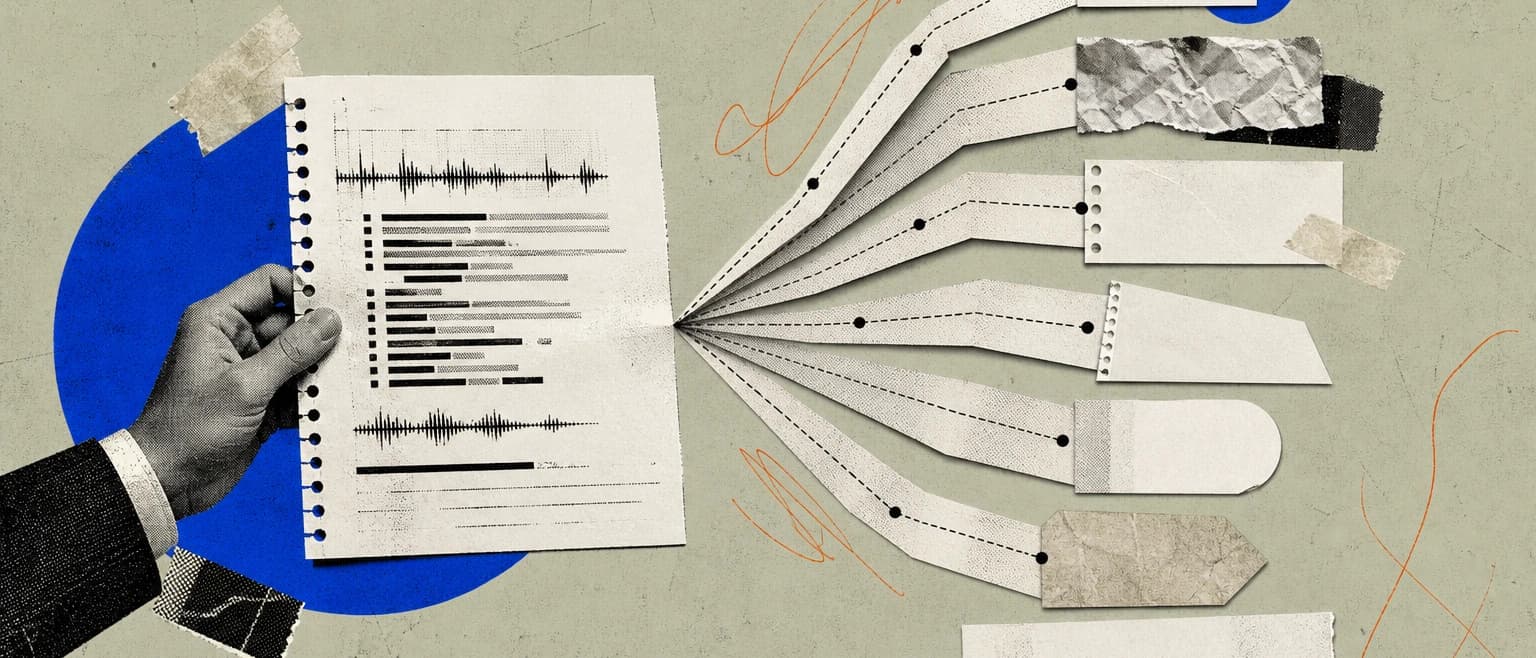
Buy-side analysts sit through hundreds of expert-network calls a year, and every one of them produces an artifact , a set of notes, a transcript, a memo, a structured brief , that eventually has to reach the IC file. The structural choice of who produces that artifact and how it gets stored is rarely documented, but it varies materially by firm size, strategy, and technology posture. Each model carries real trade-offs across consent, MNPI containment, cost per call, and how usable the output is downstream by an AI agent or a portfolio manager scanning the file two quarters later.
1. Analyst Self-Notes, Typed Live
The dominant model at small hedge funds under roughly $1B AUM. The analyst on the call is also the note-taker, typing directly into OneNote, Notion, Evernote, or a firm-standard research template as the expert speaks. No separate transcript exists. The notes are the artifact.
The appeal is cost. Against a per-hour expert-network fee that Inex One benchmarks at roughly $1,000 to $1,500, the incremental cost of note-taking is zero. The analyst was going to be on the call anyway. There is no second seat to staff, no vendor transcript to buy, no recording bot to consent-manage.
The cost sits in memory decay and IC defensibility. An analyst typing live cannot capture verbatim phrasing, cannot mark hedges precisely, and will lose the second half of any complex answer while still writing up the first. Six months later, when the thesis needs a re-read, the notes rarely support the reconstruction. For firms running concentrated books where every position is deeply known by the analyst who built it, that trade is acceptable. For firms building a durable research library, it is not.
2. The Second-Seat Note-Taker
Common at multi-manager pods and traditional long-onlys. A junior analyst or associate joins the call solely to take notes, while the senior analyst runs the questions. The cognitive load splits: the senior can listen and think; the junior captures the record.
The artifact is usually a structured memo delivered within hours of the call , question, expert answer, analyst read. Because the note-taker is inside the firm, the memo can carry internal framing (thesis pillar tags, position sizing implications) that a vendor transcript cannot.
The cost roughly doubles the labor input per call. At MM pods, where analyst time is already priced against a P&L, this is a real number. It is worth it when the alpha per call is high , sector-specialist calls on core positions, expert diligence on a new name , and hard to justify on the tenth channel-check call of the week.
3. Vendor-Provided Transcripts
Several expert networks now deliver a transcript as part of the core service or as a paid add-on. GLG offers transcripts of its consultations. AlphaSights offers Verbatim. Guidepoint and Third Bridge run forum-style transcript libraries. Tegus's core product is transcript-first , the call is the transcript.
In this model the analyst does not take notes live. The analyst listens, asks questions, and reviews the transcript after. Notes become annotations layered onto the transcript rather than a separate document.
The consent posture is handled by the vendor at intake, which is the main reason large asset managers prefer it. The IP posture is more subtle: the transcript is a shared artifact governed by the vendor's terms, and firms that want to feed transcripts into an internal RAG system need to confirm those terms allow it. Latency is fast , most vendors turn transcripts around inside a business day , but not instantaneous, which matters when a portfolio manager wants a read before the market opens.
4. In-House Recording via Zoom or Teams
A growing model at technology-forward funds. The firm records the call natively through Zoom, Teams, or a similar platform, captures the expert's consent verbatim at the top of the call, and stores the recording and transcription on the firm's own infrastructure. The firm owns the artifact end-to-end.
The attraction is control. The transcript can be fed directly into an internal retrieval system, tagged against the firm's own thesis taxonomy, and reused across analysts without any vendor licensing friction. For firms building a proprietary research stack, this is the model that keeps the primary-research corpus inside the walls.
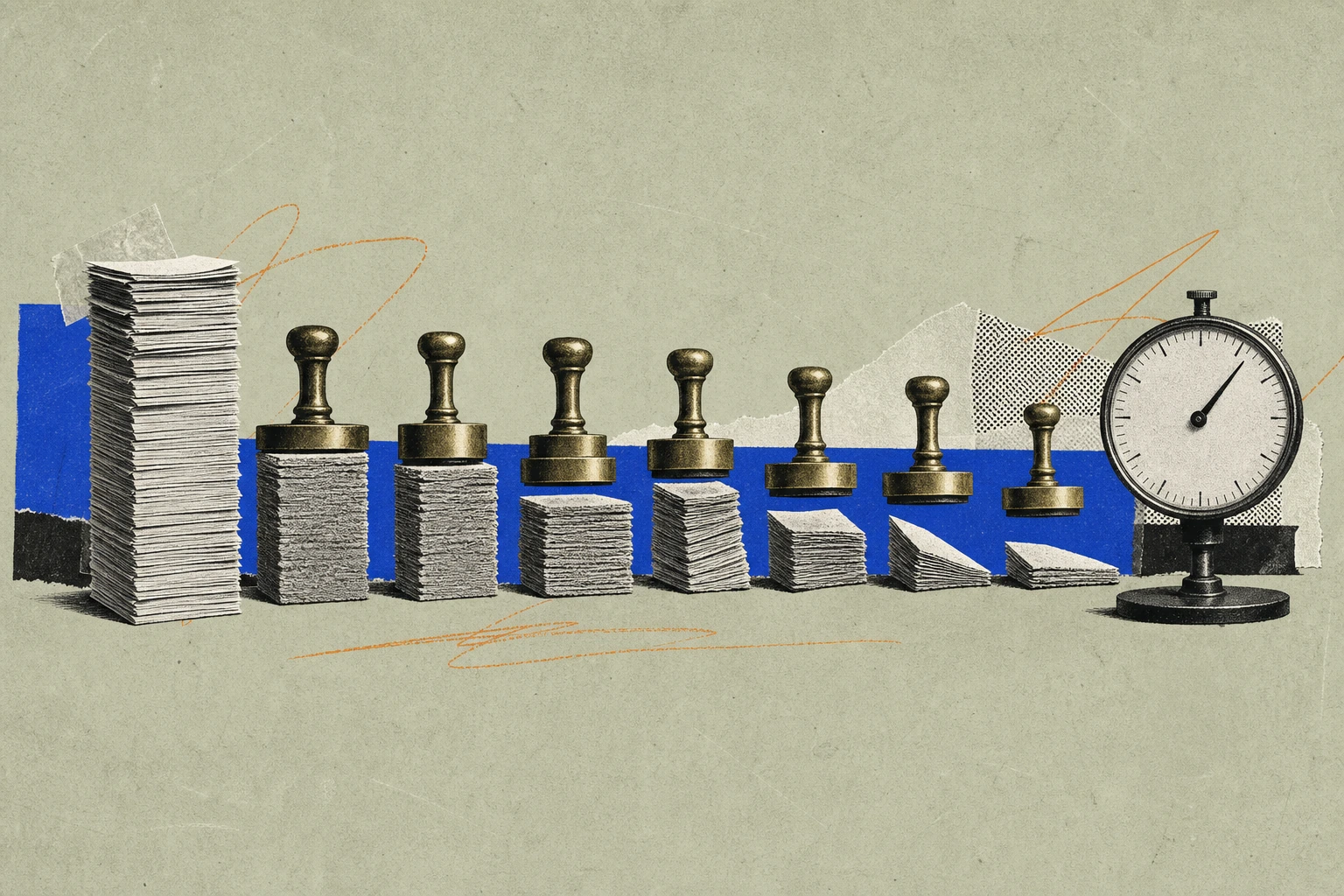
The compliance work is not trivial. The firm now holds the consent artifact and is responsible for it under the same SEC guidance that governs expert-network use more broadly. The expert network's compliance team is no longer the last line of defense between the analyst and MNPI leakage; the firm's own workflow is. Most firms running this model layer an internal review step before the transcript enters the searchable corpus.
[]
5. Third-Party Recording and Transcription Bots
Otter, Fireflies, Read.ai, Grain, and a lengthening list of meeting-transcription tools can join a call as a participant and produce a transcript automatically. Some analysts default to running these across every external call they take, expert-network calls included.
This is the model where consent and MNPI-flow-through questions get sharpest. The bot is a third party on the call. The expert is being recorded by a service the expert network did not vet and whose data-handling terms the firm may not have read closely. The transcript sits on the bot vendor's infrastructure, subject to that vendor's retention and access policies. Any subsequent AI processing the bot vendor performs may or may not fall inside the consent the expert gave.
For calls where the expert-network vendor already provides a transcript, the third-party bot is redundant and adds risk. For calls the vendor does not transcribe, the bot fills a real gap , but the compliance posture needs to be documented, and the expert's consent to this specific tool captured on the recording itself.
6. Delegated Note-Taking to Research Associates
Several large asset managers run offshore support desks , Mumbai, Manila, Warsaw , where research associates listen to expert calls live or async and produce structured memos within 24 hours. The senior analyst runs the call; the RA produces the record.
The artifact is typically higher-quality than a live self-note because the RA is dedicated to the task, can pause and replay, and works to a template the firm has iterated on. Turnaround is measured in hours rather than minutes, which suits the workflow for calls that feed weekly or monthly notes rather than intraday decisions.
The consent posture depends on whether the RA is on the live call or listening to a recording afterward. If the RA is a live participant, the expert should be told at the top of the call that a colleague is on the line. If the RA is listening to a recording, the recording itself needed consent at capture. Firms running this model tend to have the workflow documented tightly precisely because the compliance chain crosses a border.
7. Agent-Generated Post-Call Summaries
The emerging model, and the one changing fastest. Rogo, Hebbia, AlphaSense Assistant, and a growing set of internal copilots ingest the transcript of an expert call and produce a structured brief mapped to the analyst's thesis template. Bull-case evidence in one section, bear-case in another, unresolved questions flagged for follow-up, comparable quotes from prior calls surfaced automatically.
This is not a note-taking model on its own. It sits on top of one of the six above. An agent summary is only as good as the transcript it ingests, and the transcript inherits whatever consent and IP posture it was captured under. A firm running vendor-provided transcripts through an internal agent is doing something structurally different from a firm running third-party-bot transcripts through the same agent, even if the output looks similar.
The value is in the second-order use , searching across the transcript corpus for every time an expert in the sector mentioned a specific competitor, or every call where pricing power came up, or every quote from a specific company that contradicts current guidance. That capability is what pushes firms toward models 3, 4, and 6 over models 1, 2, and 5: the first three produce a durable, machine-readable artifact; the second three often do not.
The Five Axes for Evaluating the Choice
Across the seven models, the same five questions decide fit:
Consent posture. Who captured the expert's consent, to what, and where is the artifact of that consent stored? Vendor models push this to the network; in-house and bot models pull it to the firm.
MNPI containment. Where does the compliance review sit between the raw call and the searchable corpus? Expert-network vendors run this at intake. Firms recording in-house or via bots have to run it themselves, under the same SEC guidance framework that governs the underlying research process.
IC-memo latency. How long from call-end to a document a portfolio manager can read? Analyst self-notes are instant but shallow. Vendor transcripts are hours. RA memos are same-day. Agent summaries are minutes on top of whichever transcript feeds them.
Cost per call. The per-hour expert fee is the baseline. Self-notes add nothing. Second-seat doubles labor. Vendor transcripts add a per-transcript fee. RA delegation adds a fully-loaded offshore FTE cost. Agent summaries add a per-query or per-seat software cost.
Agent-readiness of the artifact. Is the output a searchable, structured text object that an AI system can retrieve against, or is it a Notion page with an analyst's shorthand? The gap between these two is the gap between a research library that compounds and one that decays with each analyst departure.
Are your experts using AI to cheat?
Try our free demo to find out today.
Powering institutional-grade transcription for expert networks.
INFLXD provides AI-powered, human-edited transcription with sub-1% error rates for the world's leading expert networks and financial research firms.
Visit inflxd.com →Keep reading.

How Expert Networks Pay Experts: 7 Compensation Structures Behind the Consulting Fee
The mechanics that shape who accepts a call, what the buy-side pays per hour, and why survey work looks nothing like a consulting engagement.
Rogo raises $30M from bank strategic investors led by Barclays
The generative AI platform for investment banks, PE, hedge funds, and asset managers adds a syndicate of financial institution venture arms to its cap table.
How Buy-Side Firms Handle Expert-Network Pre-Call Materials: 7 Structural Models
Pre-call attachments sit outside the recorded-call boundary, and buy-side compliance teams have built seven distinct ways to handle them.