

Inside Bridgetown Research's $19M Series A: agentic primary research meets the PE and consulting stack
How Accel and Lightspeed backed a McKinsey-and-Amazon founding team building AI agents that run diligence projects end to end.

Bridgetown Research's October 2024 Series A is a useful case for anyone tracking how AI-native primary research platforms are being funded, packaged, and pointed at the same buyer accounts that expert networks have owned for two decades. The company raised USD 19M from Accel and Lightspeed Venture Partners to build a fleet of AI agents that plan a diligence project, source and interview experts, pull structured data from filings, and produce a memo in hours. It is not a story about incumbents losing ground. It is a story about which stages of the primary-research workflow a serious venture syndicate now believes are automatable, and how a founding team from McKinsey and Amazon chose to package that belief for private equity and consulting buyers.
Background: the workflow venture is trying to compress
Primary research inside a private equity or consulting engagement has a shape that has barely changed in twenty years. A diligence team scopes a question, hands sourcing to an expert network, screens candidate experts, schedules calls, runs 30 to 60 minute interviews, takes notes or orders transcripts, then synthesizes findings into a memo for the deal team or the partner. Each step is priced or staffed separately. Expert networks like AlphaSights, GLG, and Third Bridge monetize the sourcing, screening, scheduling, and compliance layers on an hourly-call basis. Analyst hours, whether inside a PE firm or at a strategy consultancy, absorb the interviewing and synthesis.
The question venture investors have been asking since the first wave of GPT-4-era research tools is which of those stages can be handed to an agent without breaking the compliance model that PE and consulting buyers require. Sourcing and scheduling are the easiest to imagine automating. Synthesis is next. Interviewing itself, and particularly voice interviewing, is where the harder engineering and the harder buyer-trust questions sit. Bridgetown's Series A is a bet that the whole loop is now tractable enough to sell as a single product.
The founding thesis
Harsh Sahai spent his previous career at McKinsey, most recently as a partner. Aditya Prakash was an engineer at Amazon. That pairing shows up in how the product is described. Sahai has the workflow map of a diligence project in his head from the buyer side; Prakash brings the systems experience needed to run a fleet of coordinating agents against messy real-world sources.
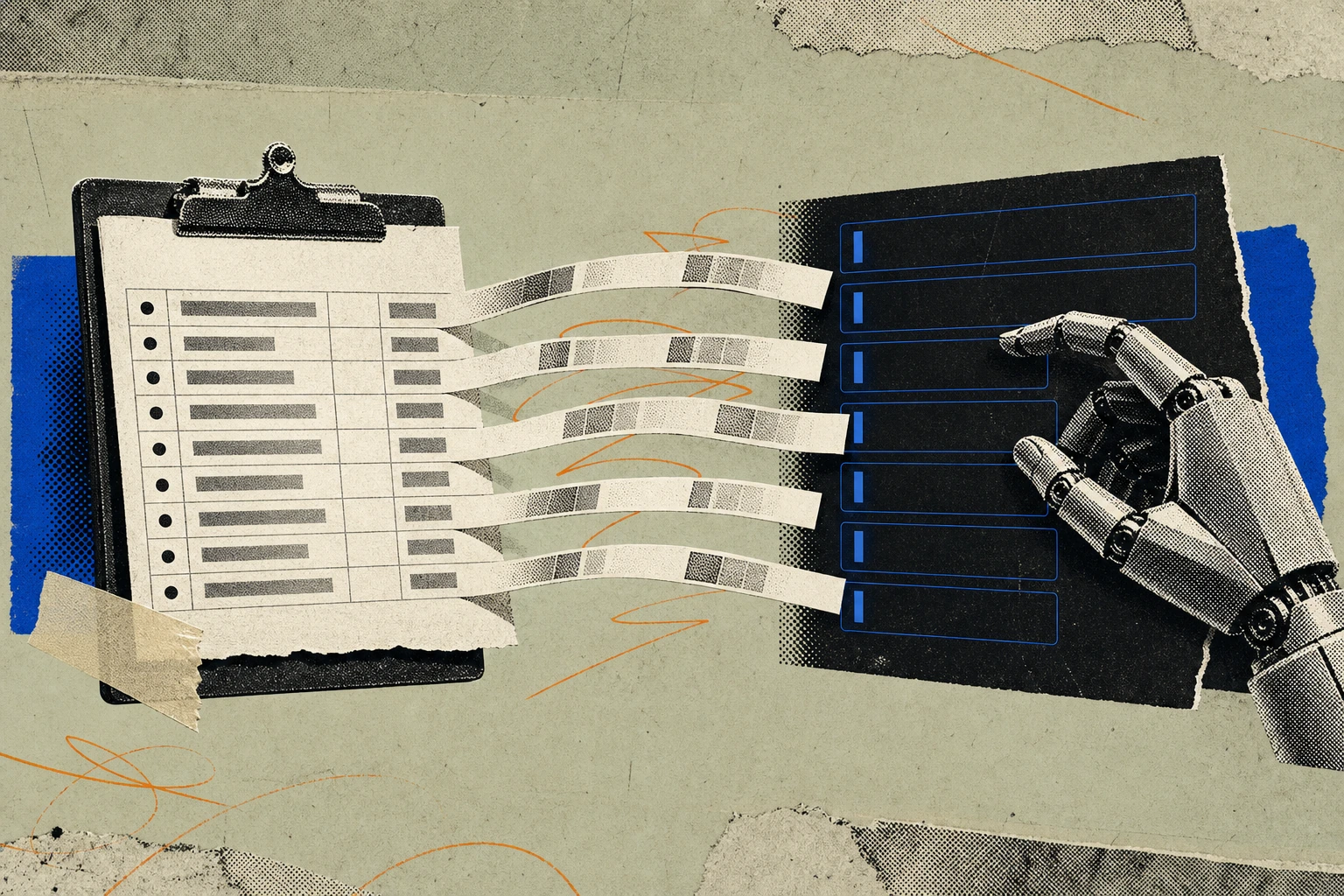
The company was founded in 2024 and moved to a priced Series A within roughly a year of formation. That pace is faster than most enterprise research startups and reflects a specific bet by the investor syndicate: that the buyer market is willing to run agent pilots inside live diligence engagements today, not in two years. In its public company page, Bridgetown describes the product as running end-to-end primary research for due-diligence and strategy use cases, with the agents handling planning, sourcing, expert conversations, data extraction, and memo drafting as one orchestrated loop.
The approach: agents as a workflow, not a chatbot
What separates Bridgetown from a general-purpose research assistant is the decision to treat the diligence project itself as the unit of work. In the company's framing, a user hands the platform a question, for example a commercial diligence on a mid-market SaaS target, and the agent fleet decomposes that into subtasks: identify the customer segments to test, source experts inside those segments, screen for relevance and conflicts, run the interviews, extract structured claims, cross-check against filings and web sources, and produce a memo.
Three design choices are worth pulling out.
First, voice interviewing is in scope. Bridgetown's public description includes AI agents that conduct expert interviews by voice. This is the most technically ambitious part of the product and also the most commercially load-bearing. If a buyer accepts an agent-run voice interview as a substitute for a moderator-run one, the economics of the entire primary-research stack shift. If they do not, the platform collapses back into a synthesis tool.
Second, structured extraction sits next to unstructured conversation. The agents pull from filings, transcripts, and web sources into a structured layer that the memo generation step reads from. That mirrors the workflow of a good associate: gather, structure, then write.
Third, the target buyer is explicit. Bridgetown is pointed at PE firms, corporate strategy teams, and management consultancies, according to TechCrunch's reporting on the round. That is the same buyer set that expert networks sell into, but the product is priced and packaged as a project or subscription rather than as a per-call unit. The commercial contrast is deliberate.
What the investors said
Accel led the round. In Accel's public note on the investment, partner Anagh Prasad framed the thesis around consulting-style diligence being restructured around agents rather than analyst hours. Lightspeed's Hemant Mohapatra, in Lightspeed's write-up, described the opportunity in similar terms: an agent-native platform that compresses the diligence loop for buyers who currently assemble it from multiple vendors and internal analyst time.
Read carefully, both investor notes are precise about what they are and are not claiming. They are claiming that the workflow is compressible and that a well-built agent platform can capture that compression. They are not claiming that expert networks disappear. That distinction matters for how INFLXD readers should interpret the round. This is a bet on a new packaging layer, not on the collapse of an incumbent category.
What it signals for the primary-research stack
Bridgetown does not sit alone. Rogo has raised a USD 50M Series B for finance-focused agents. Hebbia has built agentic research tooling used by bankers. Daloopa provides structured financial data that agent platforms increasingly plug into. Each is pointed at a different slice of the same broad question: which pieces of the analyst workflow can be turned into software.
For INFLXD readers running or buying primary research, three signals are worth carrying forward.
One, on packaging. Agent-native entrants are selling projects and subscriptions, not hourly calls. That is not a like-for-like substitute for an expert-network relationship, and it does not need to be. It is a different product with a different budget line. Procurement teams inside PE and consulting shops are starting to evaluate both in the same review cycle.
Two, on which stages are being automated first. The venture money is going into sourcing, scheduling, extraction, and synthesis before it goes into replacing the expert conversation itself. Voice interviewing is in scope for Bridgetown, but the buyer-side acceptance question there is real and unresolved. Firms that are early adopters will likely run agent-conducted interviews alongside moderator-run ones, not in place of them, for at least the near term.
Three, on compliance. Expert networks earn a large share of their fee by carrying the compliance layer: MNPI screening, conflict checks, disclosure controls, audit trails. Any agent platform selling into PE or public-markets-adjacent consulting work has to reproduce that layer to a standard the buyer's general counsel will sign off on. This is the least-discussed part of the agent-research thesis and probably the most decisive one.
What to watch
The useful questions a research lead should ask when evaluating Bridgetown or any peer in this cohort are narrow and specific. What is the compliance model for AI-conducted expert interviews, and how is expert consent handled? How are experts sourced, and how does the platform prevent conflicted or repeat-participant bias inside a single project? What does the audit trail look like when a diligence memo is produced by an agent fleet rather than by a named analyst? How is the platform priced against a comparable expert-network project, and how does that pricing hold up once voice interviews are included at volume?
Those are the questions a PE operating partner or a consulting knowledge lead would put to a vendor in a real evaluation. They are also the questions that separate an agent platform that can win inside a regulated buyer from one that stays as a productivity tool for internal analysts.
Powering institutional-grade transcription for expert networks.
INFLXD provides AI-powered, human-edited transcription with sub-1% error rates for the world's leading expert networks and financial research firms.
Visit inflxd.com →Keep reading.

7 Ways Buy-Side Firms Are Sourcing Non-English Primary Research in 2026
A structural map of the sourcing patterns buy-side research teams use to get non-English expert calls, filings, and management commentary into an AI research stack.

Inside Rogo's Series B: how a $50M raise wired a finance-native AI agent into 25+ investment firms
How a vertical finance agent moved from pilot to production across banks, hedge funds, and asset managers in under 18 months.

7 Ways Buy-Side Firms Measure ROI on Expert Network Spend
From cost-per-call to transcript utilization, the frameworks procurement and research teams actually use to defend six- and seven-figure network contracts.