Transcript libraries become the new expert network moat
Guidepoint's 100,000-transcript milestone and AlphaSense's Tegus deal point to depth, not call volume, as the durable advantage in the next cycle of EN competition.
Guidepoint said its expert call library passed 100,000 transcripts in 2026, with roughly 5,000 added each month. AlphaSense's USD 930M acquisition of Tegus in 2024 and the USD 4B post-merger Series E sit on top of the same logic. The expert network moat used to be call volume. It is becoming transcript-library depth.
That is a sharper read than it sounds. Volume is a flow metric. Depth is a stock. Buyers do not pay a premium for the calls a network can run next quarter; they pay for the corpus already sitting on the shelf, indexed, searchable, and feedable into a model.
Why depth beat volume
The traditional EN business model rewarded breadth: more experts, more calls, more clients. The product was a one-time conversation between a buyer and an expert, mediated by a moderator. The transcript was a deliverable, not an asset.
That changed when AI systems started treating transcripts as training and retrieval inputs. A library of 100,000 expert conversations becomes a defensible substrate that competitors cannot replicate by running calls faster. Two networks that ran the same number of calls last quarter can have very different positions in 2027 depending on what they kept, indexed, and have the rights to reuse.
The AlphaSense-Tegus deal is the cleanest data point. Tegus had built a searchable transcript library as its core product, not as exhaust from a moderation business. AlphaSense paid USD 930M for that corpus and the workflow around it, then raised at USD 4B. The market priced the corpus, not the call-running capacity.
Who is ahead
Guidepoint and AlphaSense (post-Tegus) are the two networks with credible claims to library depth at the scale models can use. Guidepoint's 5,000-transcripts-per-month rate, if accurate, compounds into a structural lead the longer it runs. AlphaSense bought its way to parity rather than building it.
GLG is the obvious omission from the public conversation. The firm has run calls at scale longer than anyone, but the public record on how much of that historical inventory has been retained, transcribed, and rights-cleared for AI use is thin. Third Bridge sits in the same position.
Who is behind
Networks that built around moderator-led, one-off calls (Coleman, Mosaic, Atheneum) face a harder problem. Their historical inventory exists, but much of it was not designed to be a reusable asset. Some calls were not transcribed. Some were transcribed under terms that did not contemplate model training. Some experts signed agreements that limit downstream reuse.
Three paths from here:
- Build forward. Start treating every new call as a corpus input, with rights and indexing baked in. The library compounds from today, but the firm spots Guidepoint a multi-year lead.
- Acquire. Buy a smaller transcript-heavy player or a vertical archive. Expensive, and the Tegus comp sets a high floor.
- Partner. License a corpus from a third party. Solves the inventory problem but transfers the moat to whoever owns the corpus.
None are clean.
The AI-native dependency
The second-order effect is that AI-native tools become structurally dependent on the networks that own the libraries. Daloopa's pitch of one-click filing and transcript data into Excel, Rogo's positioning as an AI analyst, Hebbia's enterprise search, Bridgetown's research workflow: all of them work better, or only work, when pointed at a deep transcript corpus. They are corpus consumers, not corpus producers.
That creates a familiar shape. The platform layer (the tool) commoditises faster than the data layer (the library). The networks that own libraries can rent access on their terms. The networks that do not become buyers in the same market as everyone else.
The compliance overhang
Large historical libraries carry a structural risk most buyers underwrite poorly. Expert calls were conducted under compliance regimes designed to strip MNPI from the call itself, not to police downstream use of the transcript years later. Rights to reuse a 2019 transcript for 2027 model training is a question that has not been litigated at scale.
The networks that win the next cycle will be the ones that have done the unglamorous work: rights audits, expert re-consents where needed, jurisdiction-by-jurisdiction review (China calls are a separate problem entirely), and a clear paper trail on what can be used for what. The networks that skip this step are building on a foundation that may not hold.
What to watch
By 2027, expect to see at least one explicit "transcript library as a service" offering: a network licensing indexed, rights-cleared corpus access to AI tools and hedge funds on a subscription basis. The economics work. The customer demand is already there. The only question is which network moves first, and whether the smaller players consolidate before they get priced out.
Powering institutional-grade transcription for expert networks.
INFLXD provides AI-powered, human-edited transcription with sub-1% error rates for the world's leading expert networks and financial research firms.
Visit inflxd.com →Keep reading.
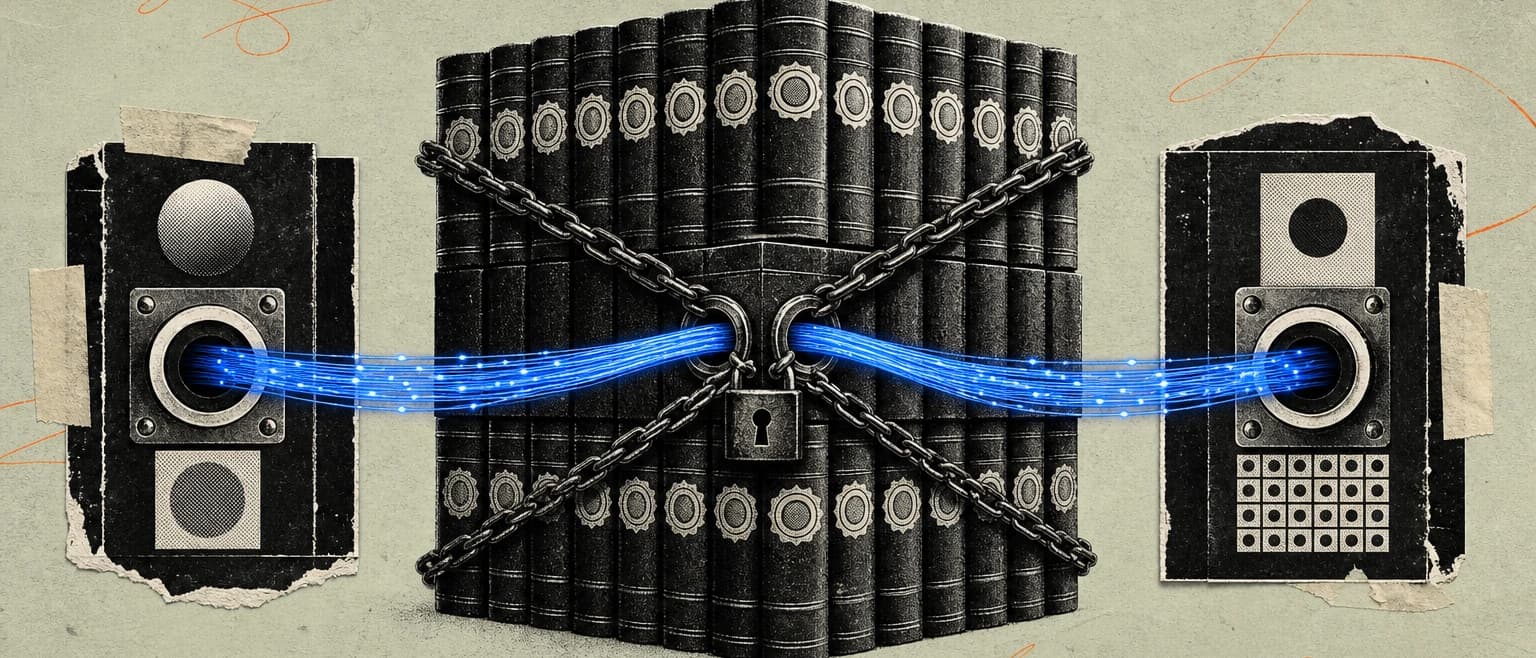
Inside Guidepoint's MCP deployment: wiring 100,000+ expert transcripts into Claude and Perplexity
How one of the largest traditional expert networks routed its transcript archive into two LLM ecosystems without unbundling its compliance layer.
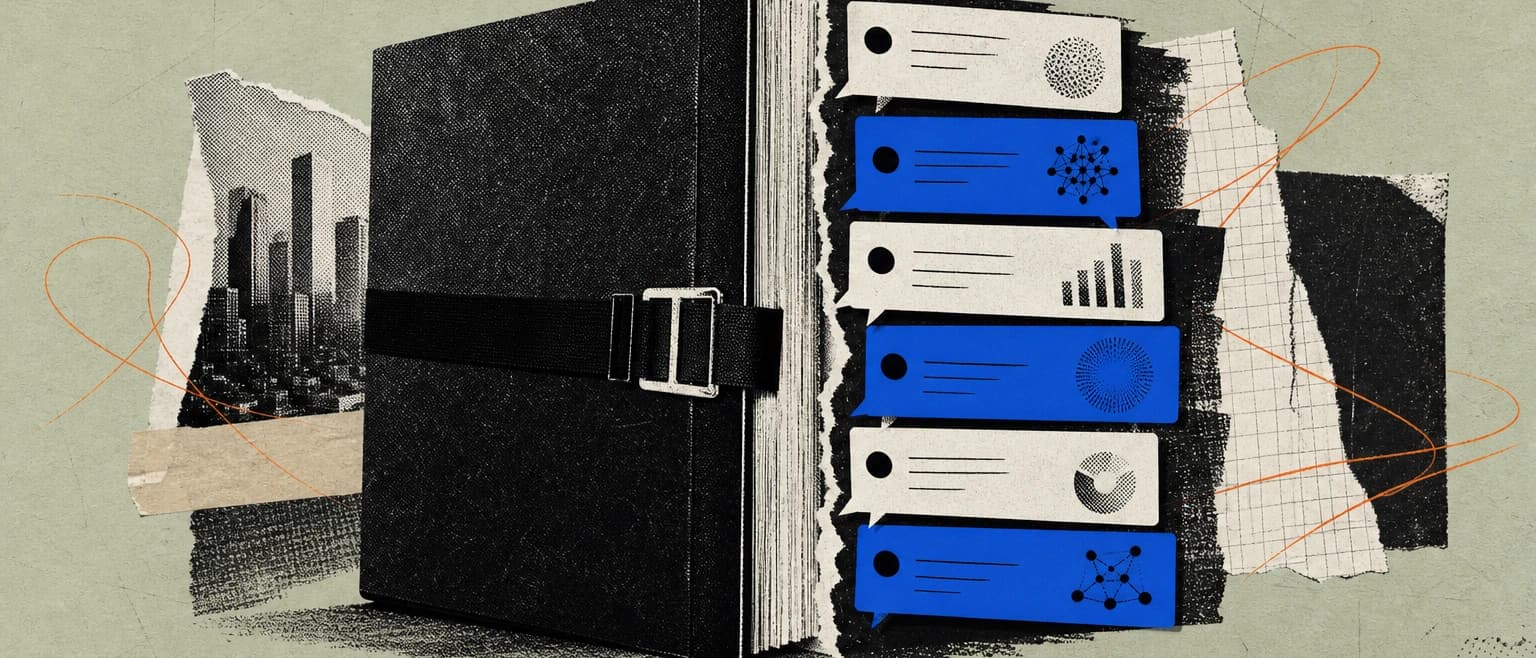
Inside the Hebbia-Centerview deployment: how an advisory firm operationalized agentic research across its bankers
What it actually takes to put an agentic research platform in front of a banker base, traced through the Centerview Partners rollout.
AlphaSense raises USD 150M at USD 2.5B valuation
The market intelligence platform's latest round lands as buy-side demand for AI research tools keeps compounding.