
Why AI Transcription Still Hasn't Replaced Human Review in Finance
Word error rates are below 5%. Every serious financial workflow still keeps a human in the loop. The gap is structural, not cosmetic.

Investigations, data reports, deep dives, and analysis from the INFLXD newsroom.
Word error rates are below 5%. Every serious financial workflow still keeps a human in the loop. The gap is structural, not cosmetic.

Post-Capvision and post-SEC, expert networks have rebuilt the engagement workflow around MNPI detection at three checkpoints. Here is what the stack actually looks like.

Hourly rates have barely moved despite supply expansion and client consolidation. The pressure is shifting to contract structure, not unit price.

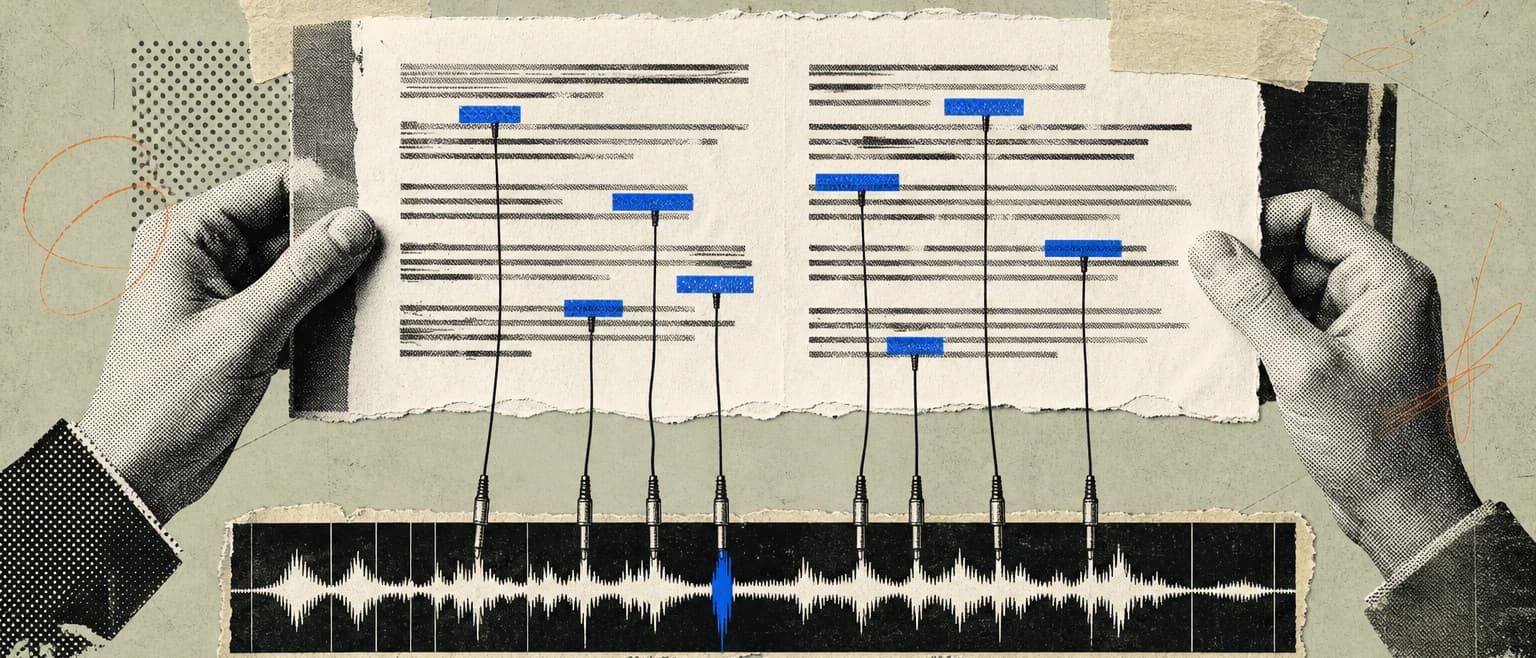
Standard ASR engines quote 5-12% word error rates on conversational benchmarks. On a 60-minute expert call, that translates to 50-80 material errors clustered in the tokens analysts actually use.

AlphaSense's Tegus deal and a $650M Series E have reset the qualitative research stack. GLG, Third Bridge, and Guidepoint now compete on a battlefield they didn't pick.

AlphaSense's new corporate development playbook reads like a product brochure, but the subtext is a deliberate move up-market into territory long defended by sell-side bankers, expert networks, and boutique strategy consultants. The implications reach further than the report admits.

AlphaSense's new earnings season guide is less a product update than a positioning document, codifying a workflow shift that reframes what buy-side analysts actually do during the busiest two weeks of the quarter. The implications cut across expert networks, transcription vendors, and platform incumbents.

A quiet New York partnership announcement points to a larger restructuring of the institutional research stack, where transcription, fundamentals, and event data are converging into single-vendor offerings. The pricing and competitive consequences are not yet priced in.