

7 Ways Buy-Side Firms Structure Expert-Network Onboarding for New Coverage Areas
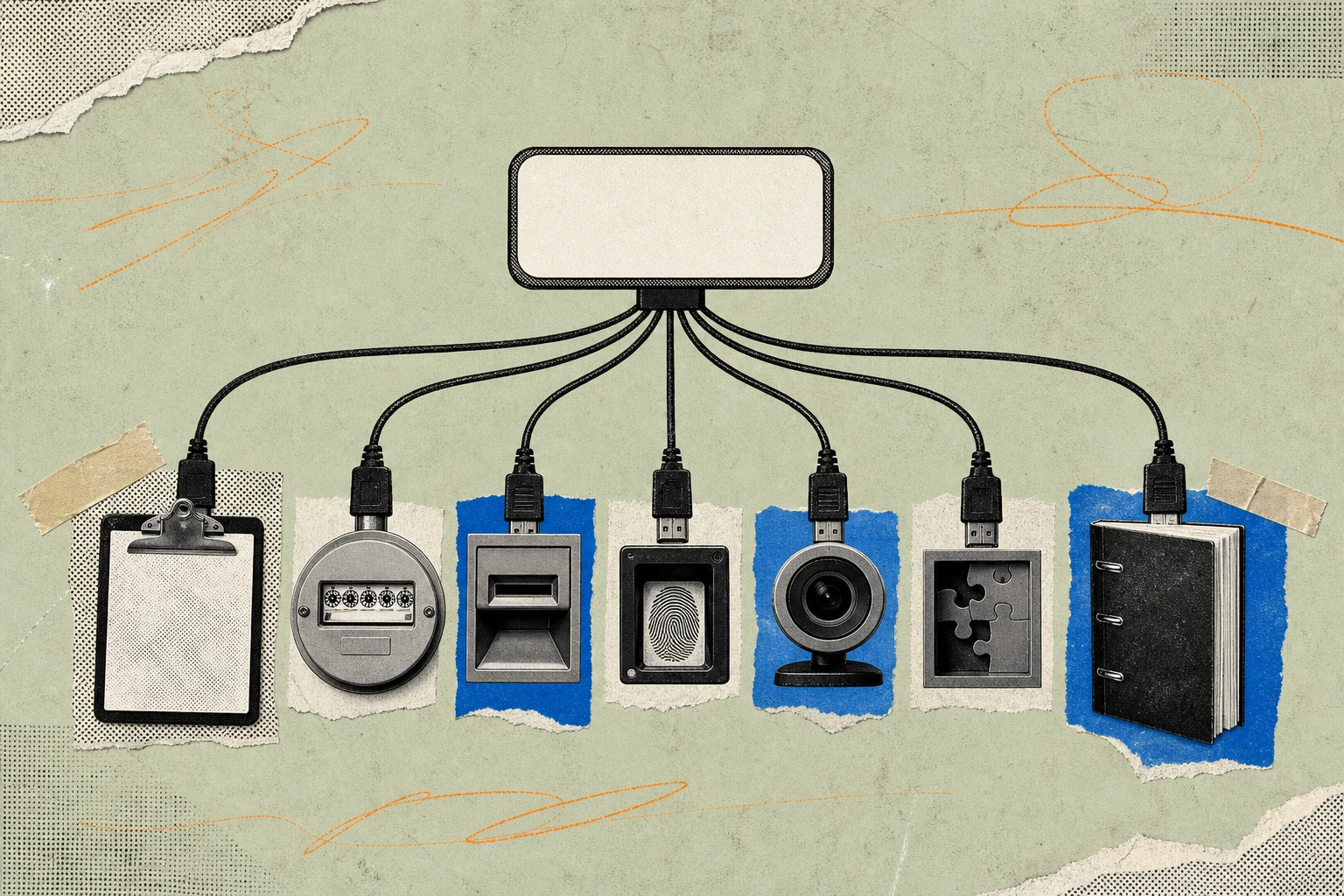
A field map of the seven onboarding structures buy-side research teams use when standing up expert-network access for a new sector, geography, or asset class.

When a fund pushes into a new coverage area, the first weeks of expert-network access set the cost curve, the compliance posture, and the speed to first defensible insight. The choice is not which network is best in the abstract; it is which onboarding structure fits the pod's mandate, the geography, and the internal research stack. Seven distinct structures show up in practice across hedge funds, private equity, and credit desks.
This piece maps each one: who uses it, what it optimizes for, and what it costs in speed or flexibility. It is written for research operations leads, chiefs of staff, and heads of research standing up new pods in 2026.
1. Single-Network Anchor Deal
The simplest structure and the most common at emerging hedge fund launches. The firm signs one primary expert network, typically Guidepoint, GLG, or AlphaSights, and negotiates a discounted block of credits or hours to seed the new pod. Procurement is thin, legal review runs on a single paper set, and the pod is live on calls within days rather than weeks.
The tradeoff is roster concentration. A single network's expert coverage is uneven by sector and geography; a healthcare pod anchored on one vendor may find deep US payer coverage and thin European hospital-buyer coverage, and there is no parallel network to backfill. Anchor deals also tend to lock in call minimums that outlast the pod's actual demand curve if the coverage area does not scale as planned.
Where it fits: sub-USD 500M launches, single-PM pods, and any situation where speed-to-first-call outweighs roster breadth in the first two quarters.
2. Multi-Network Parallel Bake-Off
Larger multi-managers routinely open accounts with three to four networks simultaneously for the first 60 to 90 days of a new coverage stand-up. The pod requests parallel expert lists for the same underlying question, tracks fill rate, expert seniority, cost per useful call, and moderator responsiveness, and consolidates spend to the top one or two vendors at the end of the trial window.
This is expensive in the first quarter. Two to three parallel account minimums, duplicated compliance intake, and internal ops time to score each call add real overhead. The payoff is a defensible procurement record: heads of research can point to a data-driven vendor selection when the CFO asks why the pod spends USD 400,000 a year with one network and USD 80,000 with another.
Where it fits: multi-manager platforms adding a pod in a coverage area where roster quality is genuinely unknown, and any team where procurement wants an auditable selection process.
3. Regional-Specialist Add-On
Firms expanding into Asia rarely rely on a global anchor alone. The standard structure layers a regional specialist alongside the incumbent: Capvision for mainland China coverage, VisasQ for Japan, and Lynk or a similar network for broader APAC. The global anchor handles cross-border experts and multinationals; the regional network handles local-language calls, on-the-ground channel experts, and rosters the global players do not maintain at depth.
The structural point is that expert-network coverage is not a fungible commodity across geographies. A global network may list Japanese experts, but the local specialist typically has deeper mid-market corporate coverage, higher fill rates on Japanese-language calls, and moderators who understand the local business culture. The same holds for Greater China, where regulatory sensitivity since 2023 has reshaped how cross-border calls are structured in the first place.
Cost tradeoff: two to three parallel contracts and duplicated compliance workflows, offset by materially better fill on region-specific questions.
4. Transcript-Library-First Onboarding
A growing structure, particularly at funds that have absorbed the post-2020 shift in how expert content is consumed. Instead of booking custom calls in week one, the pod starts with transcript-library access, most often through the combined AlphaSense-Tegus corpus or Third Bridge Forum, and spends the first 30 to 60 days reading before spending on custom calls.
The logic is that a new pod's early calls are usually the least productive: the analyst does not yet know the vocabulary, the key participants, or the right questions. Transcript libraries compress that ramp. By the time the pod books its first custom call, the analyst is asking a question the transcript library could not answer, which is exactly the question a live expert should be paid to answer.
Where it fits: sector expansions where a large public corpus already exists (software, semiconductors, US healthcare services), and teams where analyst time is more expensive than transcript subscription cost.
5. Project-Based Engagement via Marketplaces
Private equity commercial due diligence stand-ups rarely justify a long-term expert-network contract. Deal flow is lumpy, coverage areas rotate with each mandate, and the diligence team may need 20 calls across five sectors in a single quarter and none the next. The structural fit is a marketplace: Inex One, which reports intermediating roughly 36,000 commercial due diligence projects a year, or Proventa's PE-focused platform.
Credits are bought per diligence, multiple networks bid on each project, and there is no annual commitment. The tradeoff is that unit economics per call are usually higher than an anchor contract would deliver, and the buyer trades scale pricing for optionality. For a diligence team running eight to twelve mandates a year across rotating sectors, the flexibility typically wins.
Where it fits: PE commercial diligence, credit desks running episodic deep-dives, and family offices with unpredictable research cadence.
6. Embedded Compliance Onboarding
At regulated asset managers, the commercial and compliance rollouts run in parallel from day one. Before the first call books, legal and compliance define the MNPI screening protocol, chaperone rules, recording-consent language by jurisdiction, pre-approved expert categories (and blocked ones, typically current employees of covered names), and the escalation path when a call goes into gray territory.
This structure is slower. Expect four to eight weeks between contract signature and first call, sometimes longer if the coverage area spans jurisdictions with divergent recording-consent rules (US two-party states, EU under GDPR, mainland China under PIPL). The payoff is that the pod does not have to unwind a compliance-questionable transcript six months later when internal audit reviews the research file.
Where it fits: registered investment advisers, mutual fund complexes, insurance-affiliated asset managers, and any manager where reputational risk on a single bad call outweighs the speed cost of a longer onboarding.
7. Agent-Ready Wiring From Day One
The newest structure, and the one most likely to reshape procurement over the next 18 months. AI-forward funds using research agents built on platforms such as Rogo or Hebbia are increasingly requiring that any new expert-network relationship expose its transcript output through Model Context Protocol (MCP) or a documented API, so the fund's internal agents can ingest expert transcripts alongside filings, broker research, and internal notes.
Agent-ingestion is becoming a procurement gate rather than a nice-to-have. Guidepoint has publicly discussed an MCP deployment covering more than 100,000 transcripts, which is the kind of scale a research agent needs to be useful across a multi-sector coverage area. Networks without a documented ingestion path are being scoped out of anchor deals at these firms before commercial terms are even discussed.
Where it fits: funds that have already committed to an internal agent stack, and any research team where the head of research reports to a CIO who has taken a public position on AI-native workflows. The structural implication for expert networks is that the sales cycle at these firms now runs through the CTO's office as well as the head of research.
Are your experts using AI to cheat?
Try our free demo to find out today.
Powering institutional-grade transcription for expert networks.
INFLXD provides AI-powered, human-edited transcription with sub-1% error rates for the world's leading expert networks and financial research firms.
Visit inflxd.com →Keep reading.

How Buy-Side Firms Handle Expert-Network Call Cancellations: 7 Structural Models
A field guide to the fee, rebooking, and consultant-compensation structures that shape cancellation economics across the expert-network industry.

How Expert Networks Handle Scheduling Across Time Zones: A Field Guide to Global Primary Research
The operational mechanics that decide whether a London analyst gets a Tokyo engineer on the phone by Wednesday or Friday.

How Expert Networks Retain High-Value Consultants: 7 Structural Models
The supply side is the binding constraint on premium topics. Here is how the major networks keep scarce experts responsive.