

7 Ways Buy-Side Firms Structure Written Follow-Up Questions After Expert-Network Calls
How research desks route post-call clarifications through written channels to control cost, reduce compliance surface, and feed AI retrieval pipelines.
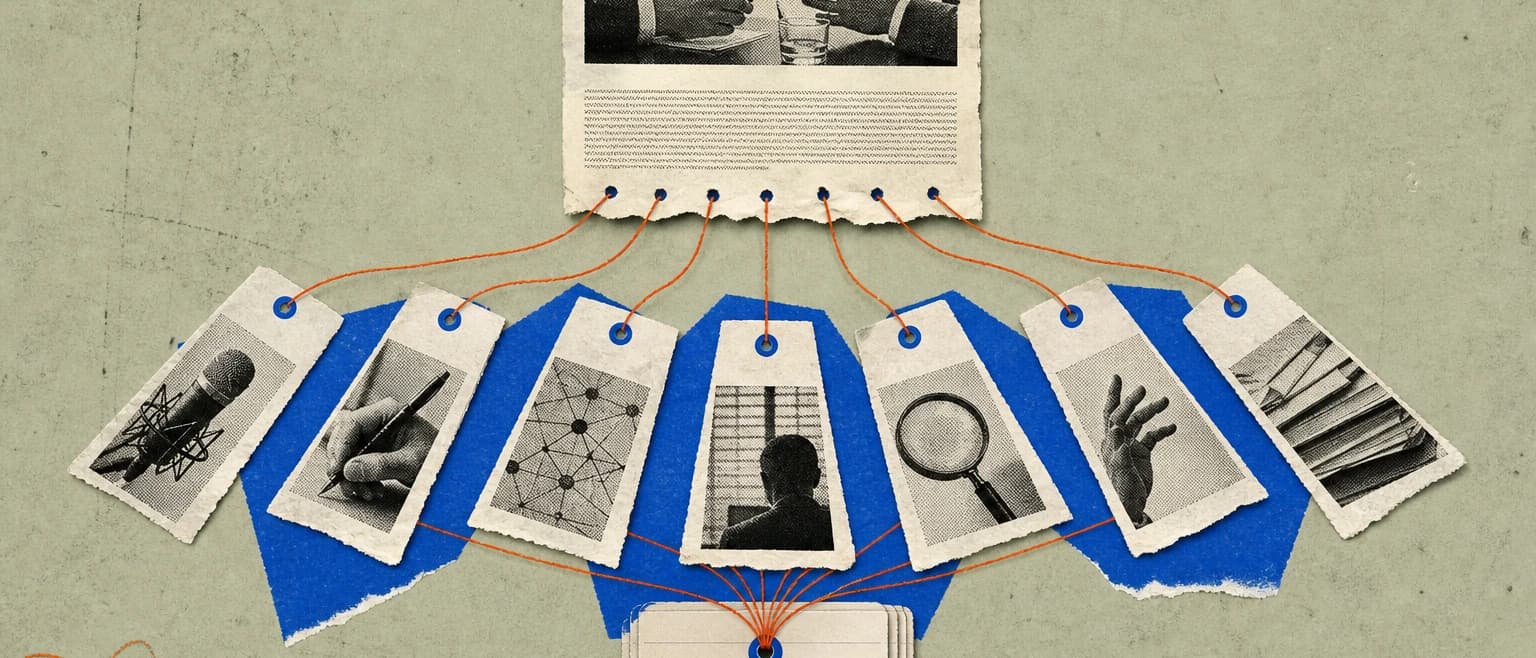
A second billable call for a follow-up question is often the wrong instrument. Between the in-window free question, the paid mini-consultation, and the agent-drafted thread, buy-side firms now have at least seven distinct structural approaches to written post-call clarification through expert-network channels. This piece maps those seven, what each is for, which networks support them, and where the cost and compliance tradeoffs sit.
The audience is the analyst, PM, or head of research deciding how to route the next clarifying question, and the ops or compliance lead deciding which channel to sanction.
1. The in-window free follow-up
The simplest and most under-used structure. Networks including GLG and AlphaSights bundle one to two written follow-up questions inside a defined window after the call (commonly 24 to 72 hours) at no additional charge against the credit. The expert answers in writing through the network's platform or via a moderator relay.
The operational question is not whether the channel exists. It is whether the analyst's workflow surfaces the follow-up trigger before the window closes. Desks that treat the call as the deliverable frequently miss the window; desks that treat the call transcript as the deliverable, and schedule a review pass within 48 hours, capture the free question routinely.
Compliance surface is low, because the question is scoped and the answer is logged. Cost is zero at the margin. The tradeoff is depth: one paragraph of written response is not a second call.
2. The paid written consultation
A distinct product from the in-window freebie. Guidepoint and Third Bridge both support shorter written engagements billed at a fraction of a full call, typically in the 25 to 50 percent range depending on expert seniority and turnaround.

These are the right instrument for narrow factual clarifications: a definitional question about a segment reporting change, a request for the expert's read on one specific competitor slide, a check on a number cited during the call that the analyst wants a second pass on. They are the wrong instrument for anything that needs conversational back-and-forth. Once a written consultation runs to three or four exchanges, the economics converge back on a second call and the compliance layer thickens.
Buy-side firms with disciplined use of this channel tend to write a one-sentence brief for the moderator before commissioning, in the same discipline as a call scoping note. The written record makes it easier to defend the spend to a PM later.
3. Async threaded Q&A inside the network portal
Dialectica and ProSapient have invested in portal-native threading, where the analyst and the expert exchange multiple written turns inside the network's platform rather than through email relay. The structural point is the audit trail: compliance sees the full thread natively, timestamps are captured, and expert identity is bound to the network's KYC record rather than an email header.
Firms with strict information-barrier requirements, or with legal teams that have been through a written-communications discovery exercise, tend to prefer portal threading for a specific reason. Email is discoverable in messy ways; a portal thread produced by the vendor under a defined retention policy is discoverable in tidy ways.
The AI-retrieval angle also matters. A structured thread with clean metadata is materially easier for an internal search or copilot layer to ingest than an email chain reconstructed after the fact.
4. Survey conversion
The least intuitive of the seven, and often the most useful. After a qualitative call, the analyst converts the same expert (or the expert plus a small cohort the network sources) into a mini-survey respondent, asking for quantified answers on a 1 to 5 or a percentage scale.
The use case is when the analyst walks away from the call with a set of directional claims ("I think channel mix is shifting toward direct") and wants a number attached before the claim goes into a memo. NewtonX and several third-party survey layers built on top of networks support this pattern. Some full-service networks will also run a small-N quantification exercise post-call.
Cost varies widely. The compliance point is that a survey answer, framed as the expert's opinion on a defined scale, is often cleaner than the same claim buried in a narrative transcript, because the format itself signals opinion rather than fact.
5. Chaperoned written follow-up
For sensitive coverage (regulated industries, healthcare, former employees of public companies, financial services regulators), compliance policies at many buy-side firms require a chaperone on the live call. The same requirement is now extending to the written channel.
Structurally, this means the analyst's follow-up question routes through an expert-network chaperone or compliance officer before reaching the expert, and the response returns the same way. Turnaround is slower (often 48 to 72 hours rather than same-day) and the phrasing of both question and answer may be edited for MNPI risk.
The tradeoff is straightforward. The chaperone layer slows the exchange and can strip specificity, but it moves the compliance risk decisively onto the network's process. For coverage where the alternative is not commissioning the follow-up at all, the chaperoned thread is often the only defensible route.
6. Transcript-anchored follow-up
The workflow that has grown most visibly as timestamped transcripts have become standard. The analyst opens the transcript, selects a specific passage ("between 14
and 14 you said the fab was running at 78 percent utilization; can you confirm the denominator?"), and sends the passage as the anchor for a written follow-up.AlphaSense's expert insights product and Guidepoint's transcript layer both make timestamped passages addressable in a way that supports this workflow directly. The structural advantage is precision: the expert is answering a defined question about a defined statement, not reconstructing what they meant 90 minutes into a call three days ago.
This format also produces the cleanest artifact for internal citation. When the PM asks where a claim in the memo came from, the analyst can point to the original passage, the follow-up question, and the expert's confirmation or correction in a single linked chain.
7. Agent-drafted follow-up
The emerging pattern in 2025 to 2026 deployments. An AI copilot (Rogo, Hebbia, AlphaSense Assistant, or an internal build on top of a network's transcript API) reads the call transcript, drafts a set of candidate follow-up questions, and surfaces them to the analyst for approval before sending through the network channel.
The structural benefit is coverage. A human analyst reviewing a 90-minute transcript in a hurry catches perhaps three follow-up threads; a copilot flags eight to twelve, and the analyst prunes to the two or three worth sending. The channel to the expert remains the same (in-window free, paid, threaded, chaperoned, or transcript-anchored, per the six models above), so the compliance envelope does not change. What changes is the drafting layer.
The governance question is where the copilot sits. If the AI drafts and sends without human approval, the compliance surface expands materially and most buy-side firms will not sanction it today. If the AI drafts and the analyst approves each question before sending, the workflow slots into existing controls and the productivity gain is real. Almost all current deployments sit in the second configuration.
Are your experts using AI to cheat?
Try our free demo to find out today.
Powering institutional-grade transcription for expert networks.
INFLXD provides AI-powered, human-edited transcription with sub-1% error rates for the world's leading expert networks and financial research firms.
Visit inflxd.com →Keep reading.

How Buy-Side Firms Handle Expert-Network Call Cancellations: 7 Structural Models
A field guide to the fee, rebooking, and consultant-compensation structures that shape cancellation economics across the expert-network industry.
How Expert Networks Handle Scheduling Across Time Zones: A Field Guide to Global Primary Research
The operational mechanics that decide whether a London analyst gets a Tokyo engineer on the phone by Wednesday or Friday.

How Expert Networks Retain High-Value Consultants: 7 Structural Models
The supply side is the binding constraint on premium topics. Here is how the major networks keep scarce experts responsive.