

GLG flags deepfake and chatbot impostors on expert-network calls
GLG CEO Gemma Postlethwaite says demand for AI-literate experts is pulling impersonators onto investor calls, forcing new screening protocols across the industry.
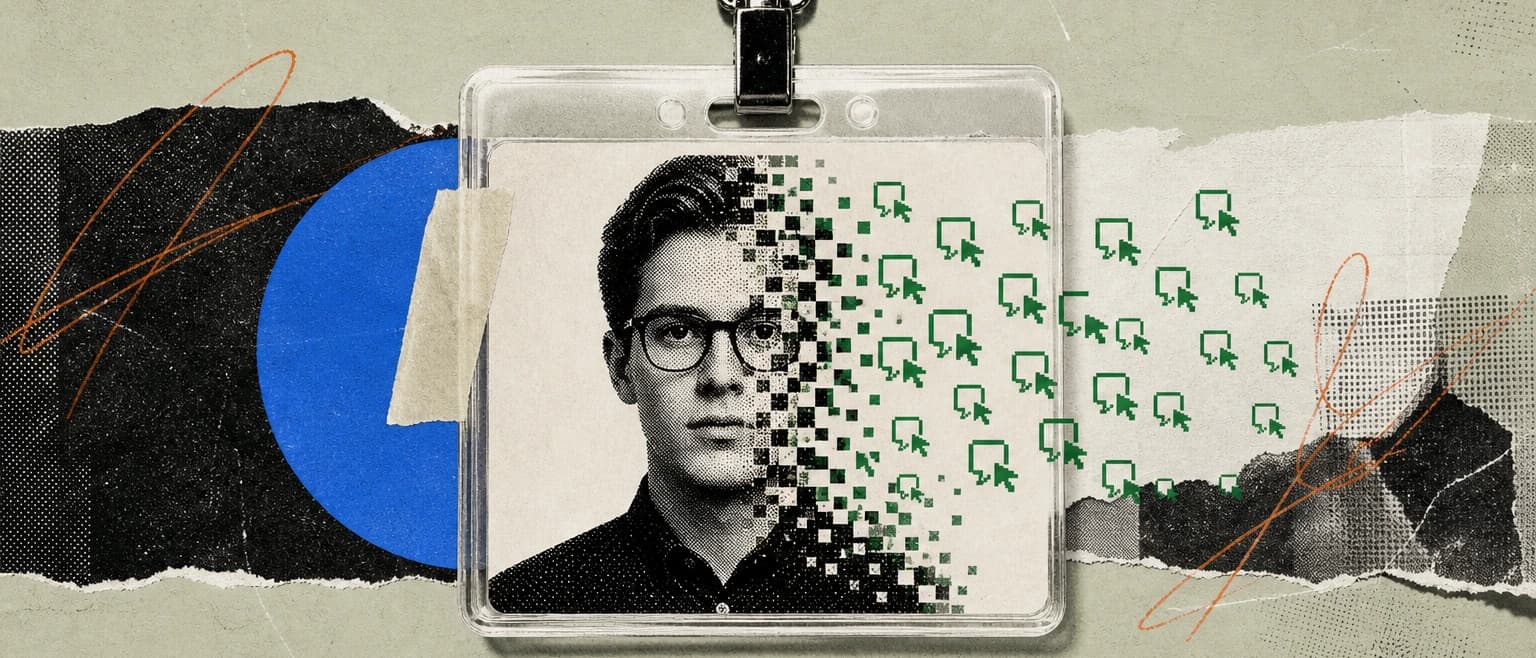
GLG CEO Gemma Postlethwaite told Semafor that investor demand for AI-literate experts has created an opening for deepfakes and chatbot-driven impersonators on expert-network calls. The firm is responding with added ID verification and screening questions designed to trip up AI avatars.
Postlethwaite told Semafor that "anybody who knows anything about AI" is being chased by investors trying to play the AI trade, which is pulling bad actors toward the lucrative hourly rates expert networks pay their consultants.
What GLG is doing
Postlethwaite told Semafor that GLG is adding ID verification and bespoke screening questions calibrated to catch AI avatars during live calls. The firm did not detail the specific question set, which is the point: a public playbook is a defeated playbook.
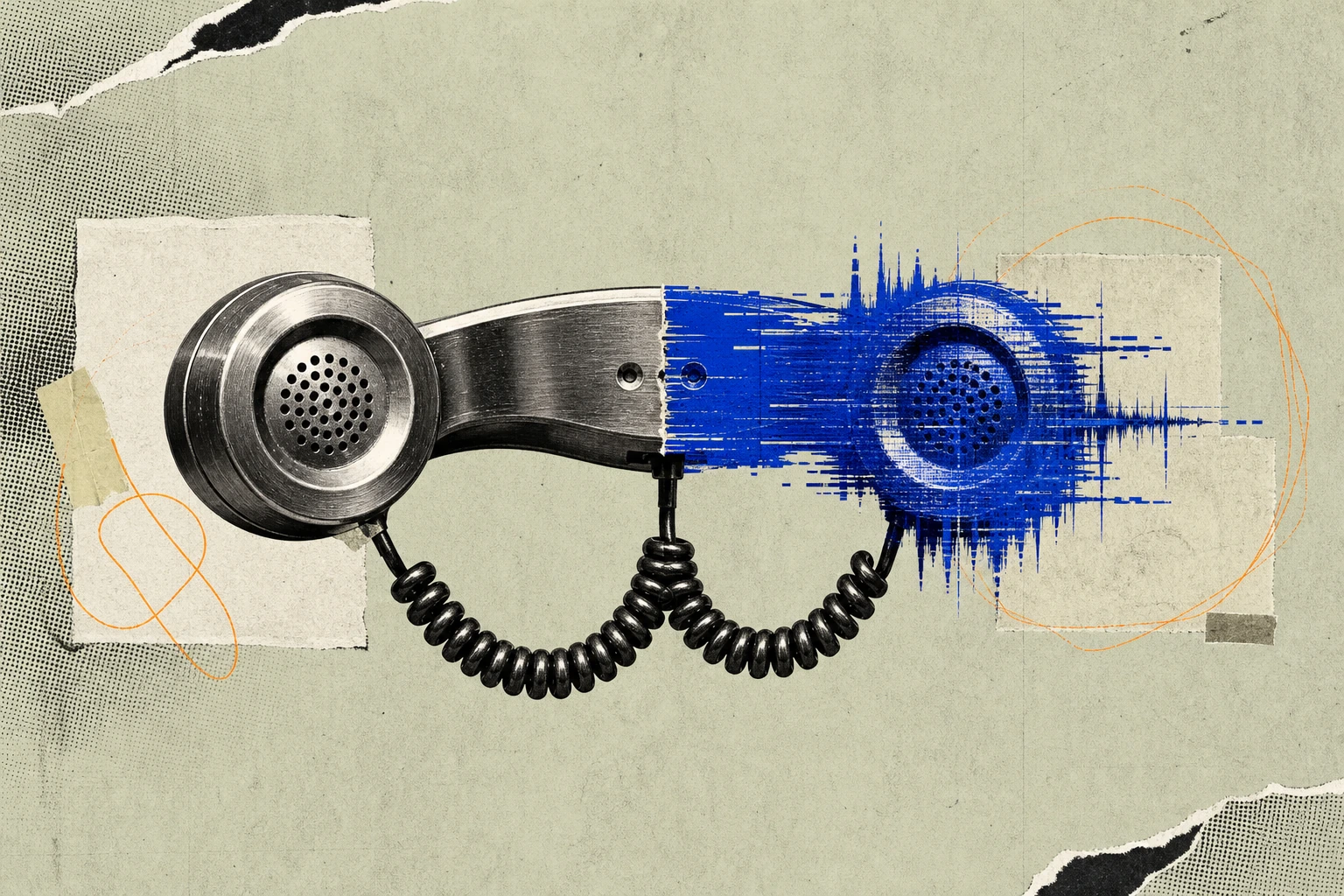
The mechanics the industry has to defend against are familiar from the broader deepfake conversation. A real-time video avatar synthesised from a few minutes of training footage. A voice clone running through a chatbot that paraphrases plausible-sounding sector color. A human on the line reading off a screen while an LLM drafts the answers. Each requires a different detection layer.
Why the AI trade is the pressure point
The AI buildout has concentrated investor attention on a small roster of names (hyperscalers, foundation-model labs, GPU and HBM supply chains, power and cooling) where the people with real operational knowledge are a thin list. That scarcity sets the price, and the price sets the incentive to fake it. An hour of GLG-grade expert time clears at a rate that makes a credible impersonation attempt economically rational for a bad actor who can run it at volume.
This is a different compliance problem from the one expert networks have spent two decades building for. MNPI screening assumes a real human on the line who may or may not say something they should not. Identity verification assumes the human on the line is who they say they are. Both now have to run in parallel.
Are your experts using AI to cheat?
Try our free demo to find out today.
What to watch
Watch whether other large expert networks publicly describe their verification stacks in the next two quarters, or stay silent and let GLG set the reference point. Watch whether buy-side compliance teams start requiring attested identity verification as a contractual term on expert-call engagements. And watch the hourly-rate data: if impersonation drives genuine experts to demand a premium for verified sessions, the price signal will show up before the policy does.
Powering institutional-grade transcription for expert networks.
INFLXD provides AI-powered, human-edited transcription with sub-1% error rates for the world's leading expert networks and financial research firms.
Visit inflxd.com →Keep reading.

How Expert Networks Handle Expert Expense Reimbursement: A Field Guide to Travel, Materials, and Pass-Through Costs
Site visits, teardowns, and multi-day workshops all generate costs beyond the hourly fee. The structural model a network uses to handle them shifts both economics and compliance risk for the buy-side client.
How Expert Networks Handle Consultant Tax Documentation: A Field Guide to W-9, W-8BEN, and Cross-Border Withholding
The paperwork stack that gates every consultant payout, from the US 1099 threshold to UK reverse-charge VAT and Japan's qualified invoice regime.
VisasQ posts 16.1% revenue growth in H1 FY2026, flags higher H2 investment
Tokyo-listed expert network beats internal plan, signals it will spend the upside rather than bank it.