

Inex One launches self-serve expert access plan
The marketplace targets occasional users of expert networks, a segment the incumbents have largely left to institutional contracts.

Inex One has launched a self-serve plan for expert network access, according to Integrity Research. The offering targets smaller and occasional users of expert calls, a segment that incumbents GLG, Third Bridge and Guidepoint have historically built their commercial models around institutional clients to serve.
The commercial logic of the three incumbent networks has long rested on retainer-style agreements with hedge funds, private equity firms, consultancies and corporates. Those contracts carry minimum spend commitments and dedicated client service teams, which price out firms that need only a handful of calls per year. Integrity Research's read is that this leaves a meaningful segment of occasional users underserved, and that Inex One is now moving to pick them up.
Inex One's model is different from the incumbents in a way that makes self-serve easier to launch. Rather than running a proprietary expert roster, it operates as a marketplace that aggregates supply across multiple expert networks and lets clients route requests through a single interface. A self-serve tier layered on top of that marketplace does not require the same client-service overhead that a GLG or Guidepoint account would carry.
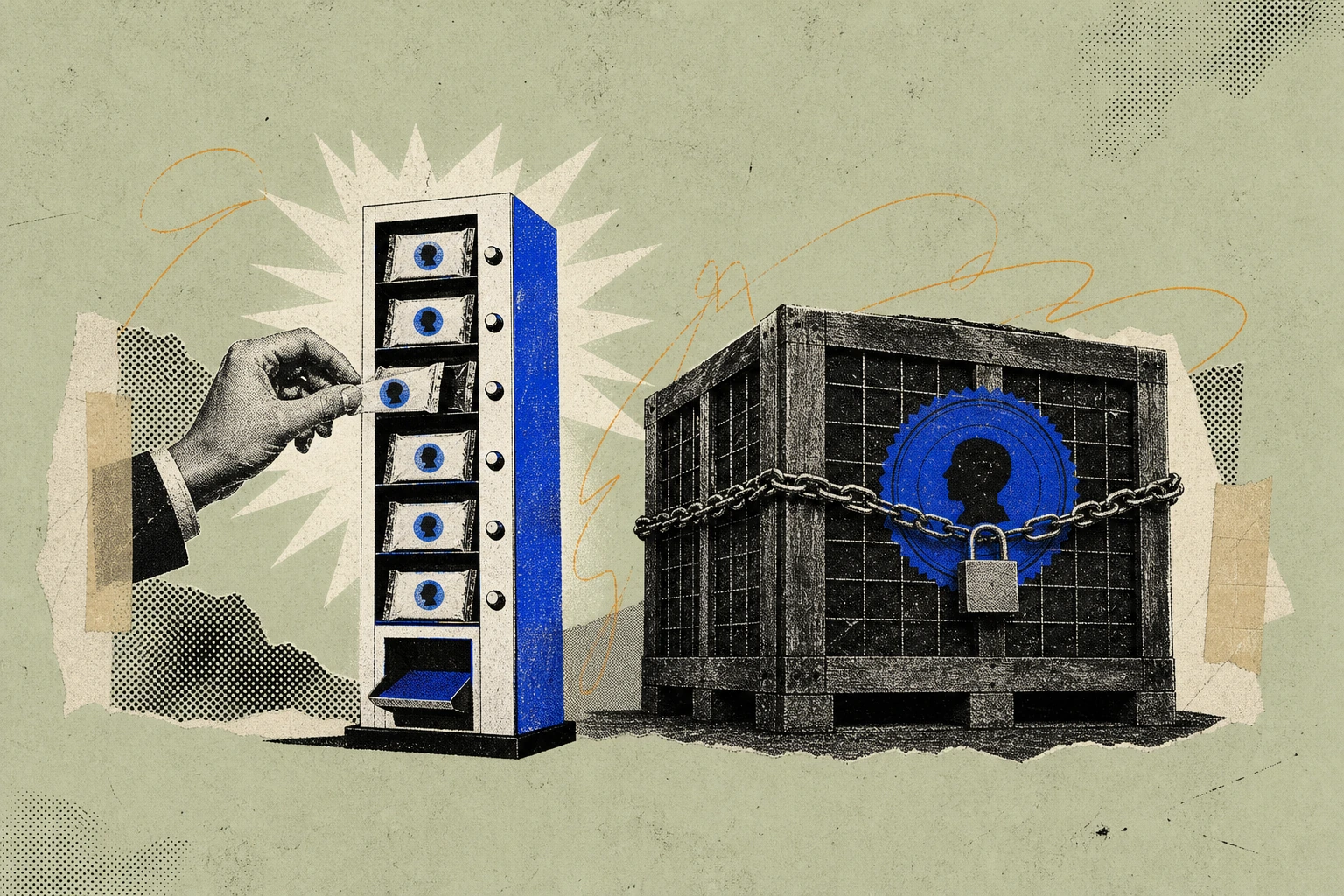
The open question is pricing discipline. Expert networks have historically kept per-call rates opaque because institutional contracts bundle calls with transcripts, compliance review, moderator time and relationship management. A published self-serve rate card forces at least part of that pricing into the open, which is useful for buyers and uncomfortable for the incumbents.
Are your experts using AI to cheat?
Try our free demo to find out today.
For compliance teams, the self-serve model raises the usual questions about screening, MNPI controls and record-keeping, which have historically been the operational justification for institutional contracts in the first place. How Inex One handles those controls at the self-serve price point will determine whether buy-side compliance desks greenlight the channel for regulated users or restrict it to corporate and consulting buyers. Watch the compliance documentation and the first wave of named clients.
Powering institutional-grade transcription for expert networks.
INFLXD provides AI-powered, human-edited transcription with sub-1% error rates for the world's leading expert networks and financial research firms.
Visit inflxd.com →Keep reading.

How Expert Networks Handle Do-Not-Use Lists: A Field Guide for Buy-Side Compliance
Seven structural models that determine whether an expert ever reaches a sourcing queue, and what breaks when the lists are not synced.

How Expert Networks Run Custom Survey Projects: A Buyer's Guide to Scoping, Pricing, and Delivery
Custom B2B surveys now sit alongside one-on-one calls at most major expert networks. Here is how a project moves from screener to deliverable.

How Expert Networks Handle Expert Expense Reimbursement: A Field Guide to Travel, Materials, and Pass-Through Costs
Site visits, teardowns, and multi-day workshops all generate costs beyond the hourly fee. The structural model a network uses to handle them shifts both economics and compliance risk for the buy-side client.