

Inside Daloopa's $35M Series C: how a fundamentals-extraction vendor became a primary-research input for buy-side AI agents
A KPI-extraction workflow founded by ex-Point72 and Citadel analysts is becoming the structured counterpart to expert-network transcripts in agentic research stacks.
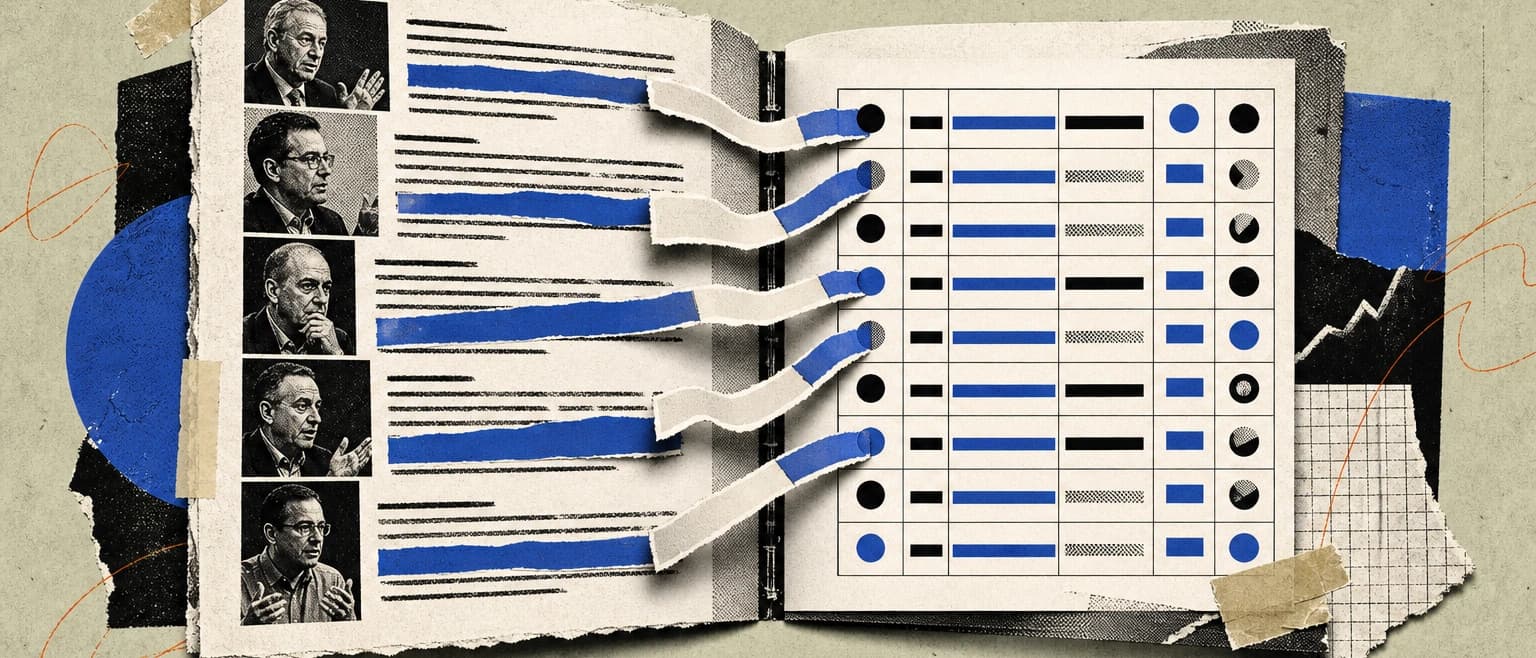
Buy-side research teams have spent the last two years assembling a new stack. On one side sits unstructured primary content: expert-network transcripts, earnings calls, management meetings. On the other sits structured fundamentals: KPI-level financials mapped back to the filing, slide, or transcript line where they originated. Daloopa, founded in 2019 and funded through a $35M Series C announced in January 2024, has become one of the named vendors on the structured side of that stack. This case study walks through how the company's funding, product design, and citation-first positioning explain why AI research agents are increasingly calling Daloopa alongside transcript libraries.
Background: the KPI problem the founders were solving for themselves
Daloopa's origin story is a specific one, and the specificity matters for the case. The three founders, Thomas Li, Daniel Chen, and Jeremy Ge, met the KPI-extraction problem in its rawest form as analysts at Point72 and Citadel, according to Daloopa's about page. Buy-side fundamental research at a pod shop runs on models. Models run on segment revenue, unit economics, cohort disclosures, geographic splits, and dozens of other line items that live inside filings but are not standardized across companies or across quarters. An analyst covering a name typically spends a meaningful share of each earnings cycle rebuilding those inputs from scratch, then reconciling them against the prior model.
That rebuild is the grunt work layer of investment research. It is high-volume, low-judgment, and the error surface is large. A missed footnote or a misread reclassification carries directly into the model, and from the model into the recommendation, and from the recommendation into the investment committee. The founders' bet, as described in coverage of the Series C, was that this layer could be industrialised.
The key design choice was not to build another aggregator. Aggregators standardise; standardisation loses the granular KPIs that active managers actually differentiate on. Daloopa's approach was to preserve granularity: extract every disclosed KPI the company reports, at the reporting cadence and taxonomy the company uses, and tie each extracted value back to the exact source. The output looks less like a normalised database and more like a filing rebuilt as structured data, with the original document one click away.
The approach: extraction, human-in-the-loop review, and citation back to source
The product's two structural commitments are worth separating.
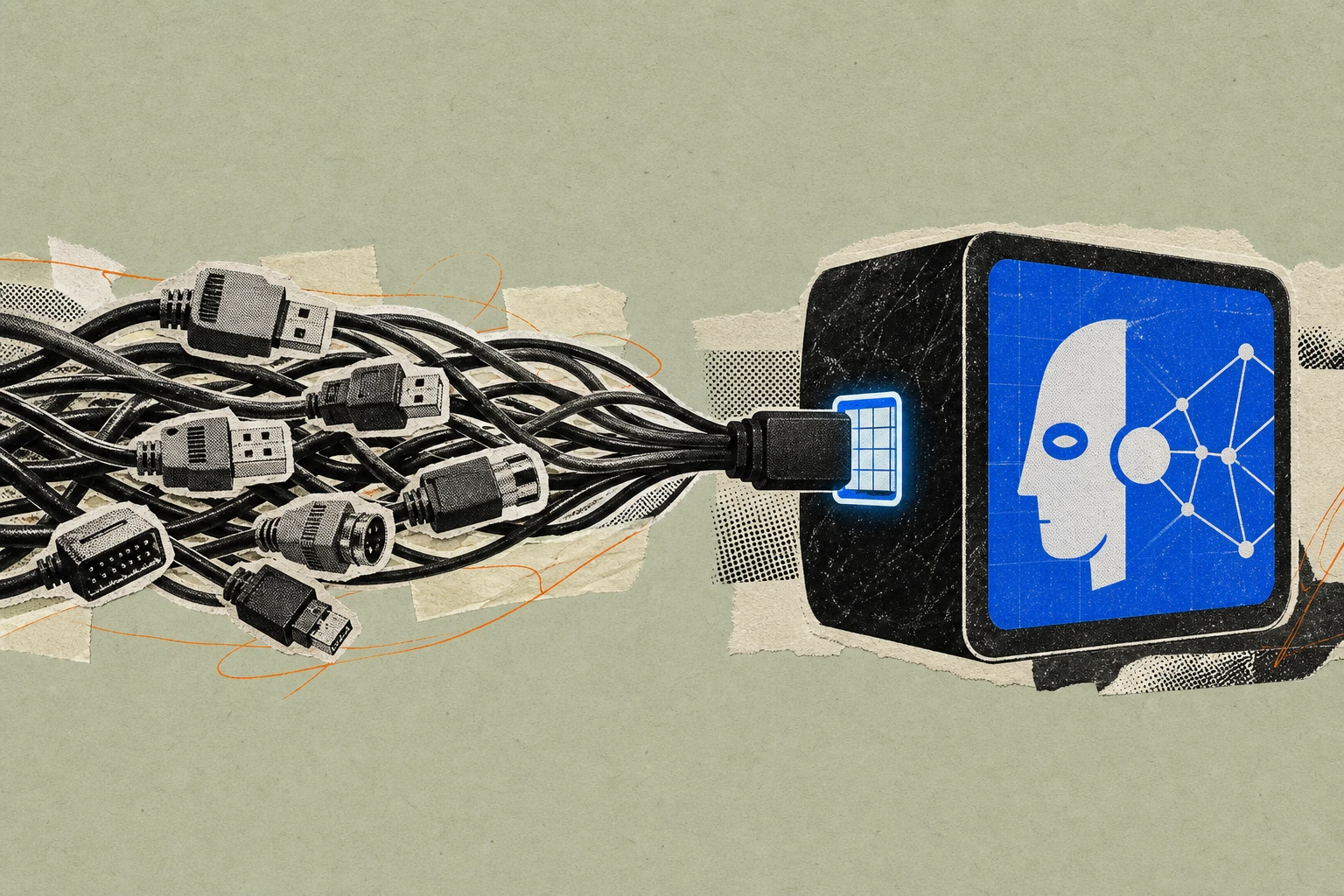
Extraction breadth. Daloopa's public materials describe coverage of 10-Ks, 10-Qs, 8-Ks, investor presentations, and earnings transcripts. That last item is important for the INFLXD reader. Earnings transcripts are unstructured primary content in the same category as expert-network transcripts. Pulling KPIs from a management Q&A or a prepared-remarks section is a different extraction problem from pulling them from a tabular disclosure in a 10-Q. Companies routinely disclose quantitative color on calls that never appears in the same form in filings: quarter-to-date trends, product-line growth rates, cohort behavior, guidance components. Any model that ignores the transcript layer is missing a portion of the disclosed universe.
Human-in-the-loop review. The company has been explicit that AI extraction alone is not the product. A review layer sits between the model output and the customer-facing dataset. This is the same architectural decision expert networks make on their transcript compliance layer: the AI does the volume, humans catch the errors that would otherwise carry into a client deliverable. For a buy-side customer whose deliverable is an IC memo, the tolerance for silent extraction errors is low. A single wrong segment number in a comp set can invalidate a screen.
The second commitment is citation back to source. Every KPI in the Daloopa dataset ties back to the page of the filing, the slide of the deck, or the location in the transcript where it was disclosed. This is a small design choice with large downstream consequences.
For a human analyst, citation lets the reviewer verify the number without leaving the model. For an AI research agent, citation is a compliance and defensibility feature. An LLM-based research assistant that returns a segment revenue figure without a source is not IC-defensible. The same figure with a footnote pointing to page 47 of the 10-K is. As Daloopa has emphasised in its own Series C announcement, this citation architecture is what makes the dataset usable inside AI workflows rather than only inside human-driven models.
What Daloopa's disclosed use cases look like on the buy side
Daloopa's public materials describe a customer base spanning hedge funds, mutual funds, and investment banks. Two use patterns show up consistently across the company's own descriptions and the coverage of the Series C.
The first is model ingestion. Analysts push Daloopa data directly into their existing Excel models, replacing the rebuild step. The model is still the analyst's; the inputs are no longer hand-keyed. The persistent benefit is not that the analyst saves the two days of the rebuild, though they do. It is that the two days go into higher-judgment work: scenario construction, expert calls, thesis stress-testing.
The second is coverage extension. An analyst who no longer spends two days per name on data entry can cover more names, or cover the existing names more deeply. For a sector specialist at a multi-manager, the marginal name is the difference between a screen that catches a mispricing and a screen that misses it. Daloopa itself has framed this as the primary value proposition in the Series C release: fundamental analysts spending more time on analysis and less on data collection.
A third pattern, less mature in 2024 but visibly emerging through 2025, is agent retrieval. Buy-side technology teams are wiring Daloopa's API into the same agentic frameworks they use to call transcript libraries and internal research archives. In an agentic setup, the LLM plans a research task, decomposes it into sub-questions, and retrieves against the appropriate source per sub-question. Segment growth over the last eight quarters routes to Daloopa. Management's commentary on the same segment routes to the earnings call transcript. Channel checks route to expert-network transcripts. The synthesis layer stitches the three together with citations preserved throughout.
What it signals for the industry: two data layers, one agent
The Daloopa arc matters for INFLXD readers because it clarifies where the buy-side AI stack is settling.
The qualitative primary layer, expert-network transcripts, has been the more visible story in 2024 and 2025. Expert networks generate the on-the-record color that analysts use to test theses that filings alone cannot answer. Transcript libraries at the major expert networks are now indexed for retrieval by client-side AI agents, and the compliance layer that makes transcripts publishable is precisely what makes them citable inside an agent.
The quantitative primary layer is the less visible story, but Daloopa's positioning shows it has been developing in parallel. Structured fundamentals with citations back to source are the quantitative counterpart to compliant transcripts. Both layers share the same architectural requirement for agent use: every claim traceable to a document a compliance officer can verify.
The named vendors in the buy-side AI stack conversation, AlphaSense, Hebbia, Rogo, and Bridgetown among them, sit at different points on this qualitative-to-quantitative axis. Some are primarily retrieval and synthesis engines that call other people's data. Some, like Daloopa, are the data. The stack is composing, and the composition is being driven by what agents can defensibly cite.
A reasonable read is that the vendors that survive the next twenty-four months of buy-side AI adoption will be the ones whose outputs an IC memo can footnote. Daloopa's Series C, its founder profile, and its citation-first product design suggest the company built for that requirement from the start.
Powering institutional-grade transcription for expert networks.
INFLXD provides AI-powered, human-edited transcription with sub-1% error rates for the world's leading expert networks and financial research firms.
Visit inflxd.com →Keep reading.
7 Ways Buy-Side Firms Handle Recording Consent on Expert Network Calls
A practical map of the consent, disclosure, and permission mechanics buy-side research teams run before an expert call hits the transcript pipeline.
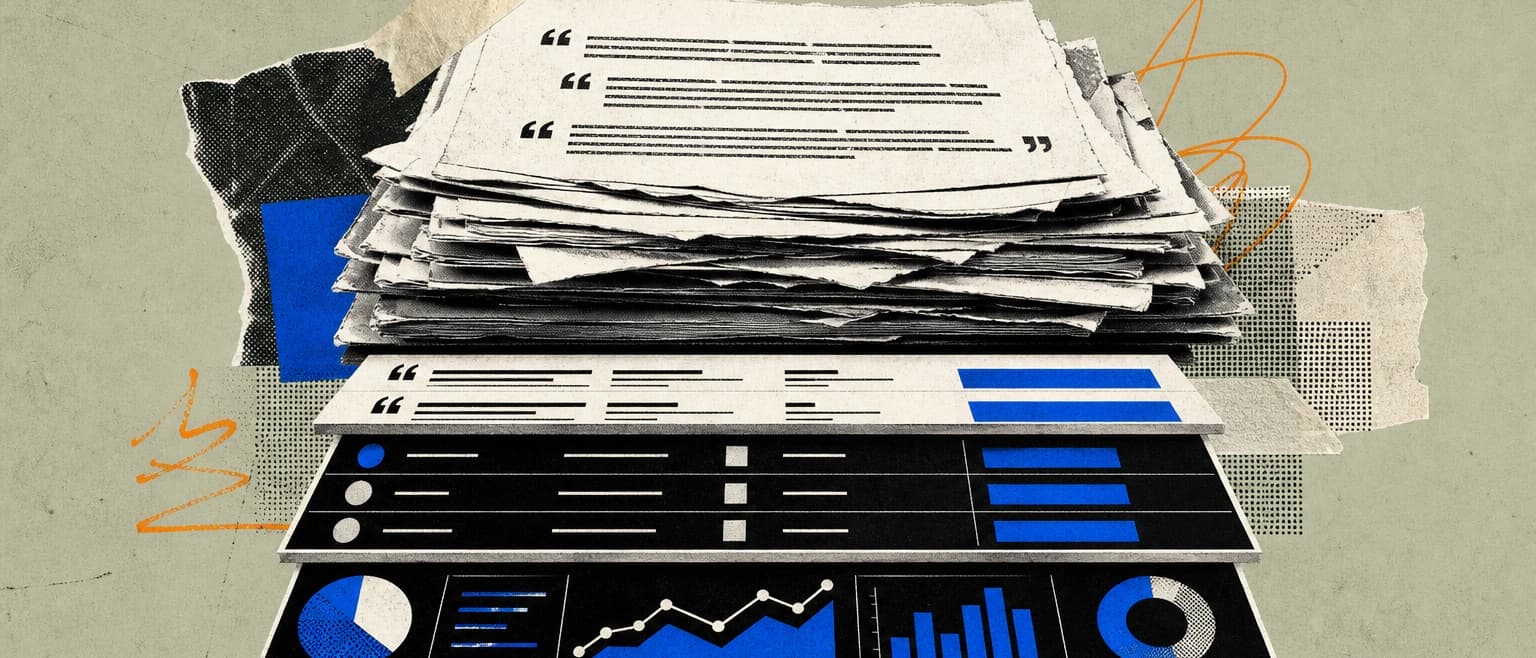
Inside the PE data-platform stack: how expert-network transcripts became a structured research layer
A three-layer pattern has emerged across private-equity data platforms, wiring expert-call transcripts into deal workflows alongside financials and CRM.
7 Ways Buy-Side Firms Vet Expert Credentials Before an Engagement
A practical map of the verification steps research teams and expert-network operators run before a paid consultation clears compliance.