6 Ways Buy-Side Firms Structure Expert-Network Follow-Up Workflows After a Call
The post-call motion, not the sourcing, is where expert-network spend converts into updated theses and defensible research artifacts.
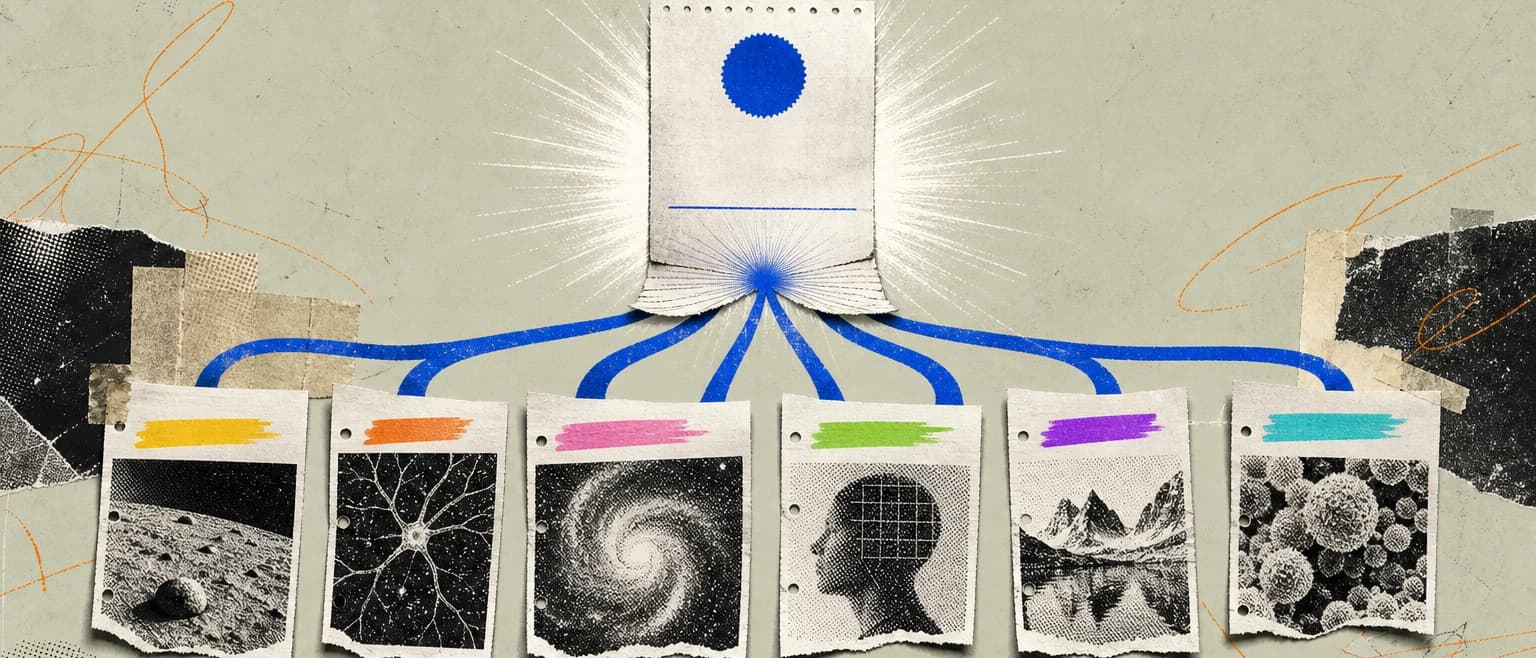
Most writing on expert networks focuses on the pre-call motion: sourcing, screening, compliance clearance, scheduling. The follow-up workflow gets far less attention, and it is the part that decides whether a call actually moves a thesis or dies as a line item on the research budget. This guide maps six distinct patterns buy-side firms have settled into after the call ends, with the tooling, the typical owner, and the tradeoff each one carries.
The six patterns are not mutually exclusive. Most firms run two or three in parallel, layered by asset class, ticket size, and compliance appetite. The mix is the operating model.
1. The analyst-written call memo
The 300 to 800 word memo, filed into a research content management system within 24 to 48 hours of the call, is still the dominant baseline at long/short hedge funds. It is written by the analyst who took the call, not delegated. The memo is short by design: the thesis update, the two or three most decision-relevant data points, the follow-up questions, and any flags for the compliance team.
The tooling here is stable. MackeyRMS, Bipsync, and the AlphaSense Notebook layer (formerly the Sentieo research workflow) are the systems of record. The memo is the compliance artifact: it is what the firm points to if a regulator or an internal review asks what the analyst learned and what they did with it. Owner: the covering analyst. Tradeoff: speed and judgment at the cost of structure. The memo captures what the analyst thought was important, which is exactly the problem the next five patterns try to solve.
2. Verbatim transcript ingestion
The vendor-provided transcript, routed into a searchable internal corpus, has moved from a differentiator to a table-stakes workflow. Guidepoint, AlphaSights, and Third Bridge all deliver transcripts on their calls; Tegus built its entire proposition on making the transcript the primary artifact rather than the memo. Tegus is now part of AlphaSense following AlphaSense's completed acquisition of the company, which folded a large transcript library into the AlphaSense corpus.
On the buy-side, ingestion means the transcript lands in the firm's own store, tagged to a deal or a ticker, and indexed for retrieval. Increasingly that index is a vector store feeding a retrieval-augmented generation stack, so an analyst two quarters later can ask a natural-language question and pull the relevant paragraph from a call they were not on. Owner: research operations or a dedicated data-engineering function at larger firms; the vendor at smaller ones. Tradeoff: the transcript is complete but unstructured. Everything is there, and finding the right two paragraphs is now a retrieval problem rather than a memory problem.

3. Structured tagging and entity extraction
One layer above raw ingestion, firms parse each transcript for the objects that matter: tickers mentioned, competitors named, KPIs discussed (units, pricing, churn, backlog), and internal thesis tags. The output is a structured record attached to the transcript, so a query for every mention of a specific competitor across the firm's call history returns a clean list rather than a keyword-search haystack.
Daloopa has productized versions of the KPI-extraction slice against filings and calls; AlphaSense offers entity and topic tagging as part of its platform. Larger multi-strategy PMs run their own extraction pipelines because the taxonomy they care about (their internal thesis tags, their coverage universe, their sub-industry cuts) is not something a vendor can supply off the shelf. Owner: data engineering, in partnership with a research-ops lead who owns the taxonomy. Tradeoff: high structure, high maintenance. Taxonomies drift, KPIs get redefined, and the tagging quality is only as good as the schema behind it.
4. Agent-driven summary and thesis-diff
The newest pattern in production is the agent-generated summary that compares what was said on today's call to the last thesis memo on the same name and flags what changed. The output is not a replacement for the analyst memo; it is a first draft plus a diff. The analyst edits the summary, accepts or rejects the flagged deltas, and files.
The copilots pushing this pattern include Rogo, Hebbia, and AlphaSense Assistant, alongside internal LLM stacks at firms that have chosen to build. Hebbia has documented enterprise deployments in banking and buy-side settings, and Rogo has published on its finance-specific workflow rollouts. The thesis-diff step is the substantive one: a summary alone is a compression of the call, while a diff against the prior memo is a directional signal about whether the thesis is intact, softening, or breaking. Owner: the analyst, with the copilot as a drafting layer. Tradeoff: speed at the cost of auditability. Firms running this pattern are also investing in prompt logs and model-version pinning so the summary is reproducible if a compliance review asks how it was generated.
5. Cross-call synthesis across N transcripts
The fifth pattern treats the transcript library as the unit of analysis rather than any single call. A PM or associate runs a query across every call the firm has done on a sub-industry (say, hyperscaler capex commentary, or specialty-generic pricing, or European defense supply) and pulls a synthesized view: what different experts said, where they agreed, where they diverged, and how the picture has moved over the last two quarters.
The vendor side is now productizing this directly. Guidepoint's transcript library integration with Perplexity via the Model Context Protocol exposes the transcript corpus as a first-class retrieval target for an external agent. GLG has taken a parallel path with a Bloomberg ASKB integration. The workflow-level effect is the same: the analyst or PM asks a triangulation question in natural language and receives an answer grounded in vendor-cleared transcripts rather than in an open-web search. Owner: portfolio manager or senior analyst; the associate runs the query on request at some shops. Tradeoff: high leverage on the corpus, and a hard dependency on the corpus being large, current, and well-scoped. Small transcript libraries produce thin synthesis.
6. Compliance-loop archival
The last pattern is the one that gets the least attention in product marketing and the most attention in a regulatory review. The transcript, the analyst memo, the tagging record, any copilot-generated summary, and the MNPI-review sign-off are bundled into an immutable audit record tied to the call. If the SEC, an internal compliance officer, or an LP advisory board asks what was said on a call, what the firm did with it, and who signed off, the record is one lookup away.
The pressure here is not theoretical. The SEC's continued enforcement on off-channel communications and recordkeeping has raised the bar for what counts as a defensible audit trail across the buy-side. Expert-call records are inside that perimeter, not outside it. In practice this means the compliance loop is not a nice-to-have layer on top of the other five patterns; it is the wrapper that makes the other five defensible. Owner: compliance, with research-ops as the operational counterpart. Tradeoff: defensibility at the cost of workflow friction. The firms that get this right treat the archival step as an automated consequence of the other steps rather than a separate manual filing.
How the patterns compose
The six patterns stack. A well-run buy-side research operation runs the analyst memo (pattern 1) as the human artifact of record, ingests the verbatim transcript (pattern 2) into a structured, tagged corpus (pattern 3), uses an agent to produce a summary and thesis-diff (pattern 4) that the analyst edits, exposes the whole corpus to cross-call synthesis queries (pattern 5), and wraps every step in the compliance archive (pattern 6).
Where firms differ is which layers they build in-house versus buy, and how much they trust the copilot output before an analyst has reviewed it. Smaller funds concentrate on patterns 1 and 2 and outsource the rest to their expert-network vendors. Multi-strategy platforms build patterns 3 through 6 internally because the taxonomy, the coverage graph, and the audit trail are proprietary. The middle of the market is the interesting segment, because it is where vendor-productized versions of patterns 4 and 5 are being adopted fastest.
Powering institutional-grade transcription for expert networks.
INFLXD provides AI-powered, human-edited transcription with sub-1% error rates for the world's leading expert networks and financial research firms.
Visit inflxd.com →Keep reading.
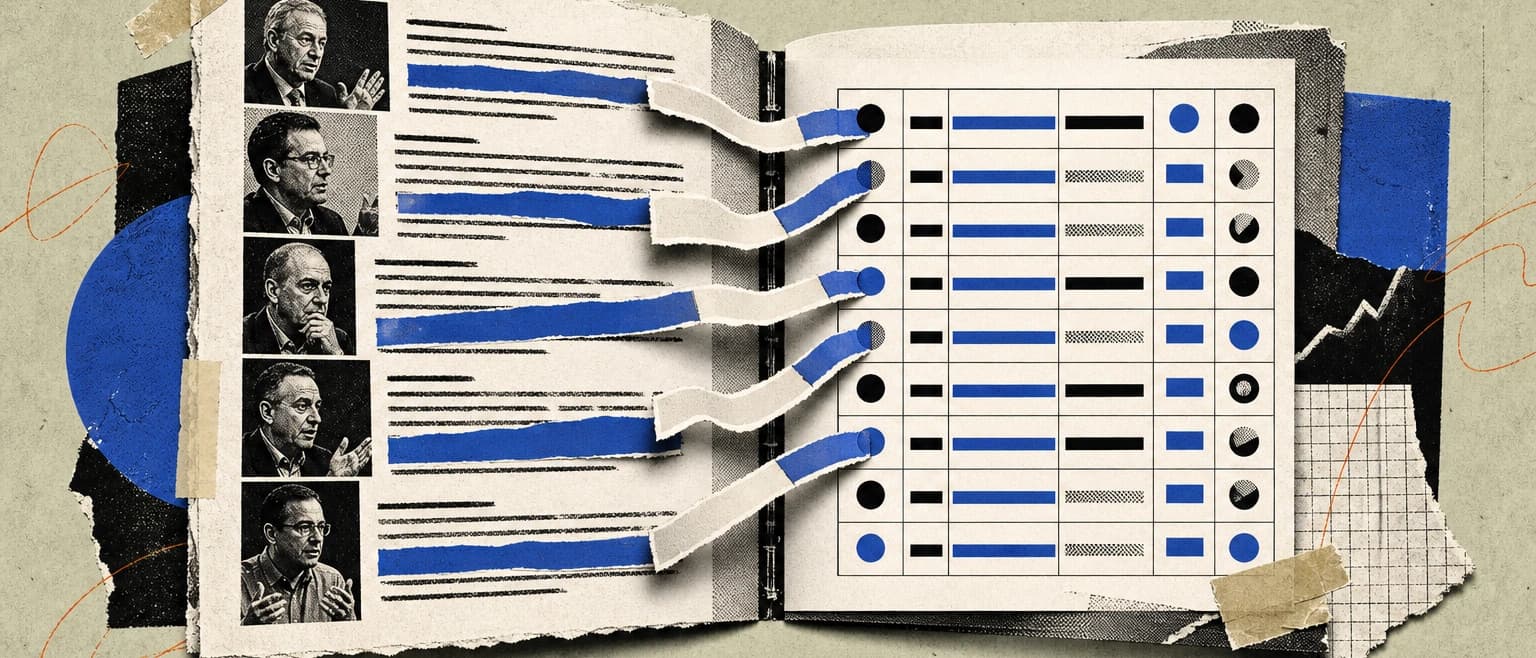
Inside Daloopa's $35M Series C: how a fundamentals-extraction vendor became a primary-research input for buy-side AI agents
A KPI-extraction workflow founded by ex-Point72 and Citadel analysts is becoming the structured counterpart to expert-network transcripts in agentic research stacks.
7 Ways Buy-Side Firms Handle Recording Consent on Expert Network Calls
A practical map of the consent, disclosure, and permission mechanics buy-side research teams run before an expert call hits the transcript pipeline.
Inside the PE data-platform stack: how expert-network transcripts became a structured research layer
A three-layer pattern has emerged across private-equity data platforms, wiring expert-call transcripts into deal workflows alongside financials and CRM.