How AlphaSense's $930M Tegus acquisition rewrote the buy-side primary research stack
A look at how one 2024 transaction consolidated the largest expert-call transcript library on the market and set the template for AI-grade primary content in institutional research.
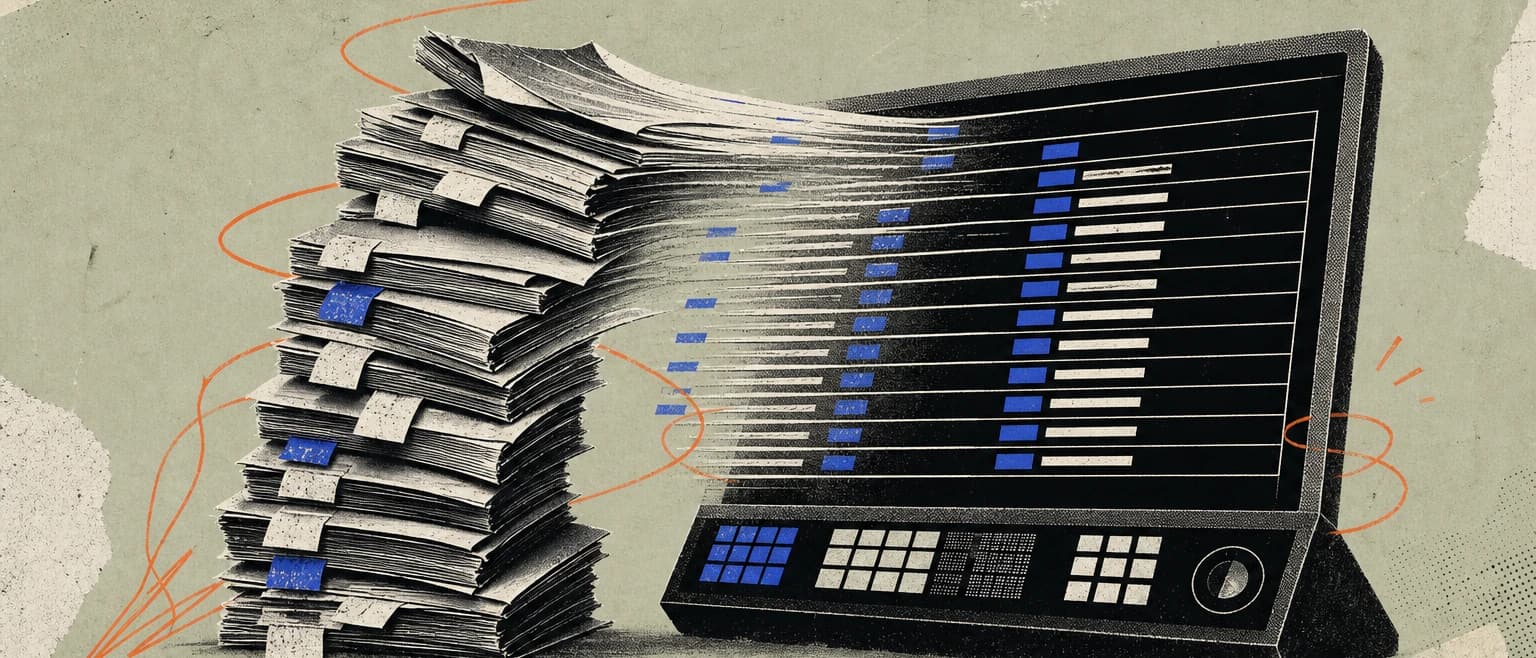
In June 2024, AlphaSense agreed to buy Tegus for USD 930M in cash and stock, folding what Tegus described as the industry's largest expert-call transcript library into a market intelligence platform already used across the buy side. The deal is now the reference case for how expert-transcript archives function inside AI-first research workflows, and for how a content moat gets priced when generative retrieval is the product. This case study walks through the situation buy-side analysts faced before the deal, the integration approach AlphaSense took, and what the combined entity looks like eighteen months later.
Background: two workflows, one analyst
Before the deal, a typical buy-side workflow for a single-name deep dive looked like two sessions in two different tools. An analyst covering a semiconductor equipment name would open AlphaSense to pull sell-side notes from bulge-bracket desks, filings from the target and its comparables, and news search across trade publications. The same analyst would then open Tegus to search expert-call transcripts on the fab customer base, on the equipment cycle, and on channel checks with distributors and integrators. Notes lived in a third surface. Model updates lived in a fourth.
The friction was not that either product was weak. It was that the two content types (broker and filings on one side, expert primary on the other) sat behind different subscriptions, different search grammars, and different entitlement rules. Analysts paid twice, searched twice, and reconciled twice.
Both companies were also, by mid-2024, racing to put generative AI on top of their content. AlphaSense had shipped its Generative Search and Assistant surfaces on the broker-and-filings corpus. Tegus was building AI summarisation and Q&A on its transcript library. Whichever side got to a unified corpus first would own the default AI surface for primary research. That is the strategic backdrop for the deal.
Why transcripts specifically
Expert-call transcripts have a property that broker research and news do not: they are proprietary primary content that cannot be re-scraped from the open web. A large, current, compliance-cleared transcript archive is a genuine data moat in a market where most other inputs (filings, news, most sell-side excerpts) are either public or licensable from the same handful of aggregators. Tegus had spent the better part of a decade building that archive. At the time of the deal it disclosed a library of more than 75,000 expert-call transcripts, a figure AlphaSense later described as approaching 150,000 as the combined index expanded.
The approach: one library, one retrieval surface
The transaction announcement framed the rationale in three parts: a unified content library, a unified AI surface, and a combined revenue base. Each mattered for different constituencies.
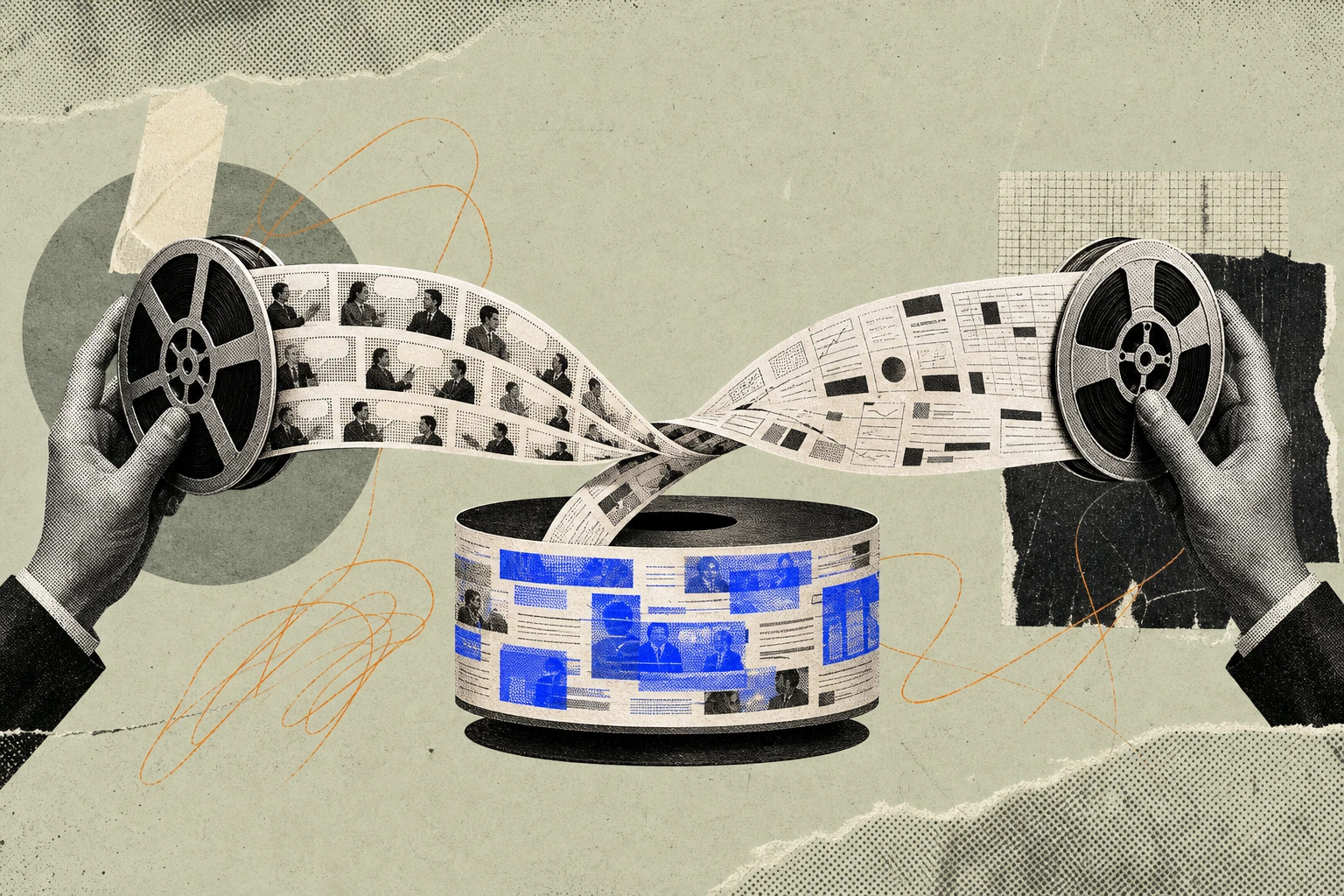
For analysts, the unified library was the visible change. AlphaSense's roughly 10,000 premium content sources (broker research, filings, news, trade publications, event transcripts) would sit alongside Tegus' expert-call transcripts inside a single search and retrieval layer. The pitch was that a query on a specific supply-chain question could pull, in one pass, the relevant filings paragraph, the relevant sell-side comment, and the relevant expert-call excerpt.
For the AI product roadmap, the deal turned Generative Search and Assistant from tools built on a partial corpus into tools built on a corpus that included the expert primary layer. That is a materially different product. Retrieval quality on private-market and channel-check questions is bounded by whether the underlying index actually contains channel-check content. Adding Tegus meant it did.
For the combined financials, the two businesses disclosed roughly USD 400M in ARR at close, per Reuters' coverage of the deal and Bloomberg's reporting on the same day. That number matters because it anchored the valuation logic for the concurrent USD 650M Series F, which closed at a USD 4B post-money valuation.
Leadership and integration structure
Tegus co-founder and CEO Mike Elnick joined AlphaSense as part of the transaction, per the joint announcement on Tegus' side. AlphaSense CEO Jack Kokko framed the combined entity as building the most comprehensive market intelligence platform on the market. The framing is worth noting because it signalled the direction of travel: the Tegus brand and standalone surface would be wound down in stages, and the transcript library would be delivered to customers primarily through the AlphaSense product.
What happened next: integration, funding, and the AI conversion story
The twelve months after close were spent on three tracks in parallel. First, integration of the Tegus transcript corpus into the AlphaSense retrieval and AI surfaces. Second, brand and product consolidation: the standalone Tegus product was wound down in stages rather than shut off at close, which preserved the existing Tegus customer relationships during the migration. Third, monetisation of the combined story in the capital markets.
The capital-markets track is the clearest external evidence that the integration thesis worked. AlphaSense followed the Series F with a further USD 350M raise at a USD 7.5B valuation in 2025, close to double the post-deal mark. The company publicly disclosed that AI features were driving roughly half of new-business conversations, a signal that the unified corpus was doing commercial work rather than sitting inside a product roadmap slide. A strategic stake from Accenture Ventures, tied to an agentic workflow partnership, added a distribution vector into the consulting channel.
What the integration surfaced about the underlying moat
One detail worth pulling out: at the time of the deal Tegus described the library as 75,000+ transcripts. AlphaSense later disclosed the combined library as approaching 150,000. The delta comes from continued expert-call production in the eighteen months after close, and it reinforces a point about transcript libraries as an asset class. These are not static archives. They compound. A network that produces expert calls at scale adds thousands of transcripts per quarter, and each new transcript is both a piece of retrievable primary content and, potentially, a piece of training and evaluation data for the AI layer.
That compounding property is why other networks watched the deal closely. Guidepoint, GLG, and several adjacent transcript producers subsequently developed their own strategies for distributing transcript content into AI research workflows, including MCP-era approaches for making transcripts available to model-driven clients. The AlphaSense-Tegus template (large proprietary transcript archive plus first-party AI retrieval surface plus institutional distribution) is the reference case those strategies are measured against.
What it signals for the industry
Three structural points come out of the case, all grounded in the public record of the transaction and the eighteen months since.
First, expert-call transcripts are being priced as a defensible data asset rather than as a workflow feature. USD 930M for a business at Tegus' disclosed scale implies that acquirers are valuing the transcript archive itself (both the historical corpus and the ongoing production capacity) not just the software wrapper around it. That has implications for how every network with a large transcript library thinks about its own optionality.
Second, AI retrieval quality is now a function of corpus completeness. A generative research surface built on filings and broker research alone answers a narrower set of questions than one that also includes expert primary content. Once one platform crosses that line, competing platforms either build their own transcript inventory, license one, or accept a narrower use case. The buy-side analyst's judgement of "which AI research tool is actually useful for my questions" is downstream of what is in the index.
Third, integration mechanics matter more than headline deal size. AlphaSense's decision to wind down the standalone Tegus surface in stages, rather than at close, preserved customer continuity through the migration and gave the combined product time to catch up on Tegus-native workflows. That is a specific choice, not an inevitable one, and it is part of why the ARR base held together through the transition.
Powering institutional-grade transcription for expert networks.
INFLXD provides AI-powered, human-edited transcription with sub-1% error rates for the world's leading expert networks and financial research firms.
Visit inflxd.com →Keep reading.
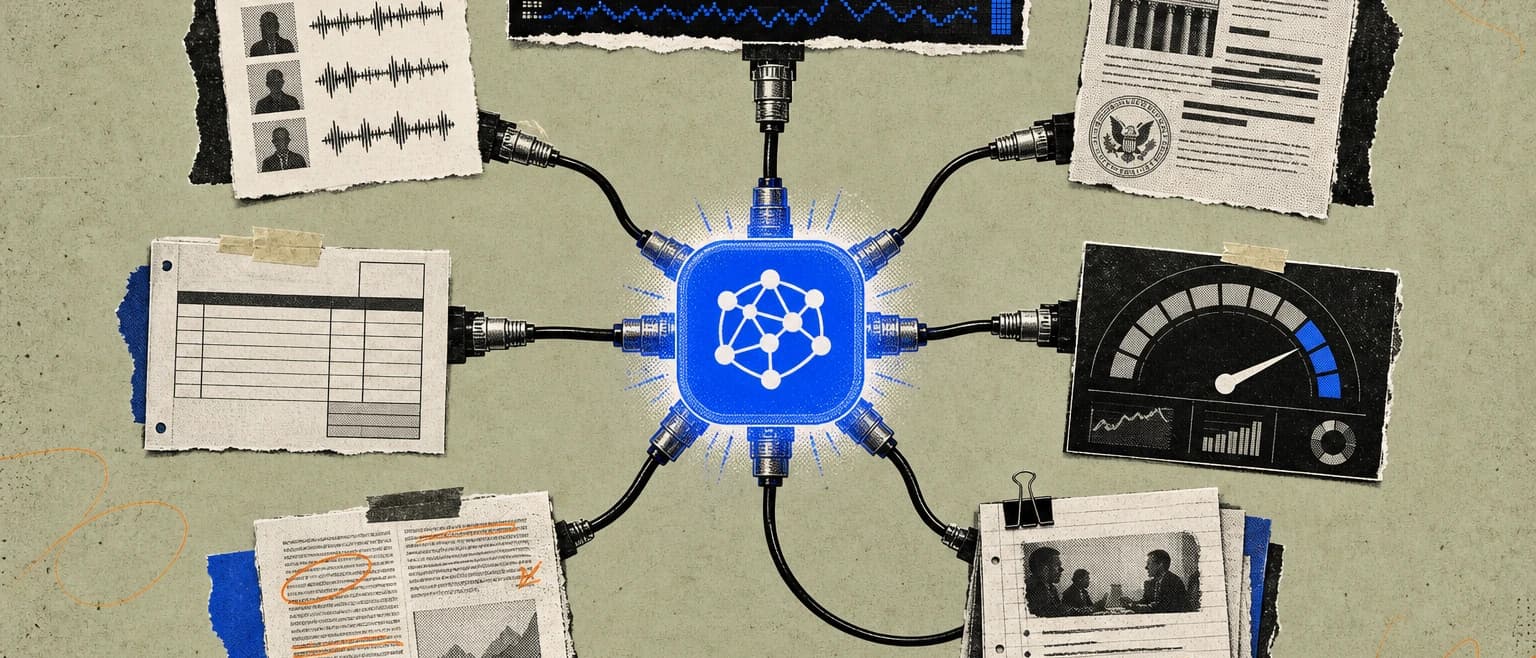
7 Data Sources Buy-Side AI Research Agents Are Wired Into in 2026
A structural map of the seven feed categories agentic research tools connect to, and what each one actually delivers.
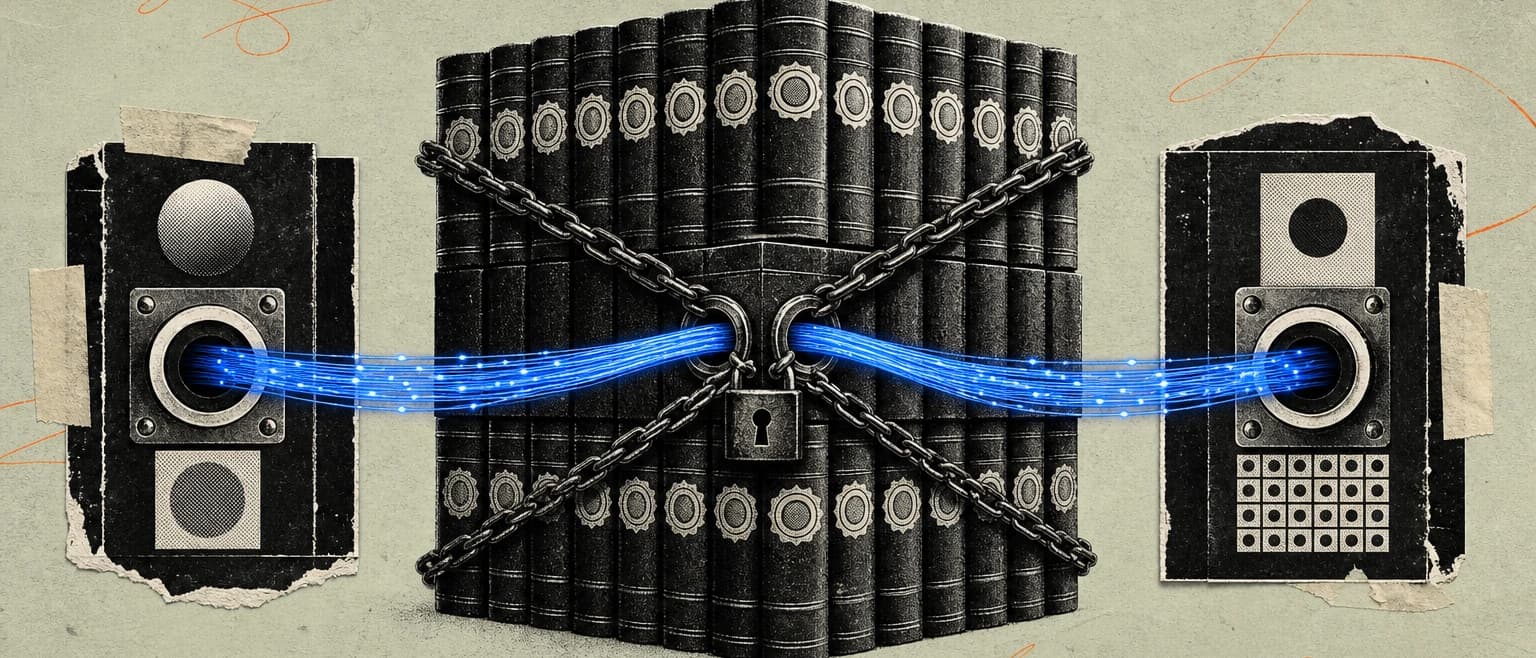
Inside Guidepoint's MCP deployment: wiring 100,000+ expert transcripts into Claude and Perplexity
How one of the largest traditional expert networks routed its transcript archive into two LLM ecosystems without unbundling its compliance layer.
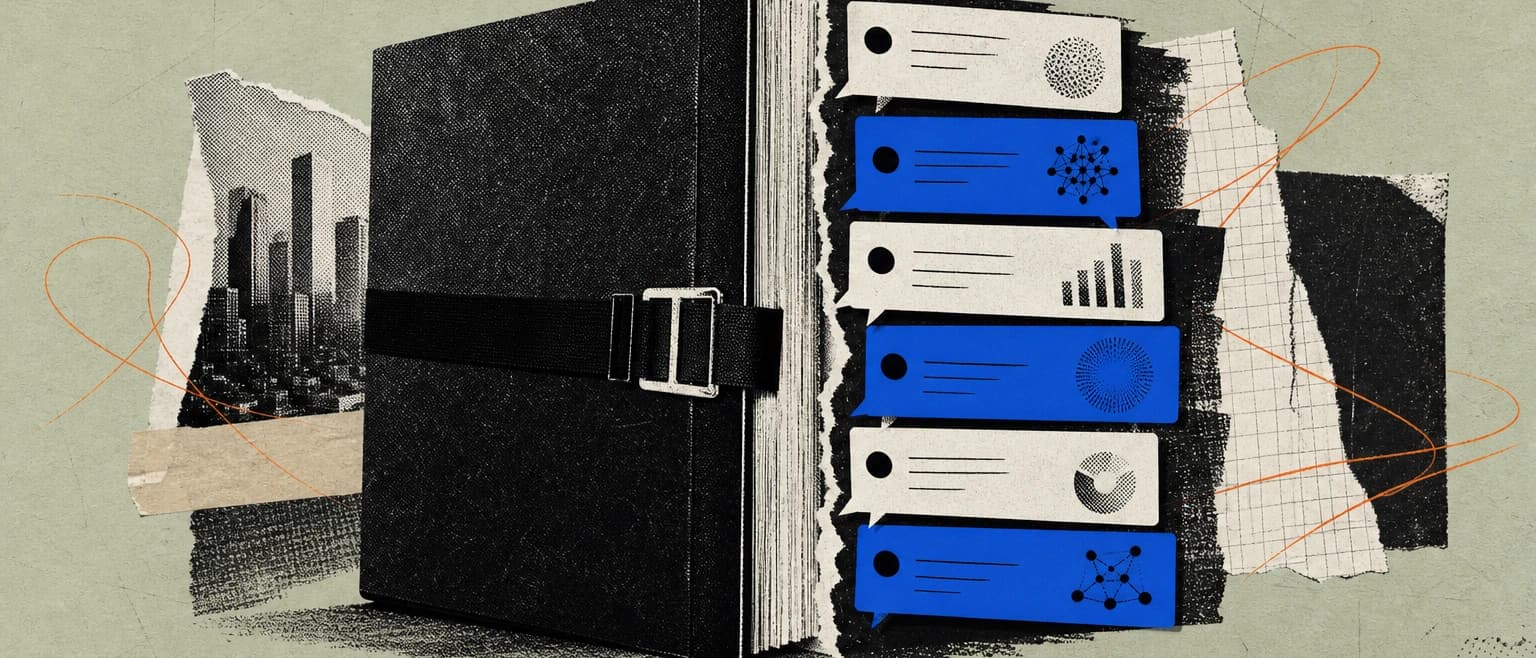
Inside the Hebbia-Centerview deployment: how an advisory firm operationalized agentic research across its bankers
What it actually takes to put an agentic research platform in front of a banker base, traced through the Centerview Partners rollout.