

SEC and FDA formalize non-public information sharing on regulated companies
A new MOU gives the SEC a formal channel to request unpublished FDA records, including Complete Response Letters, raising the stakes on how issuers characterize agency interactions.
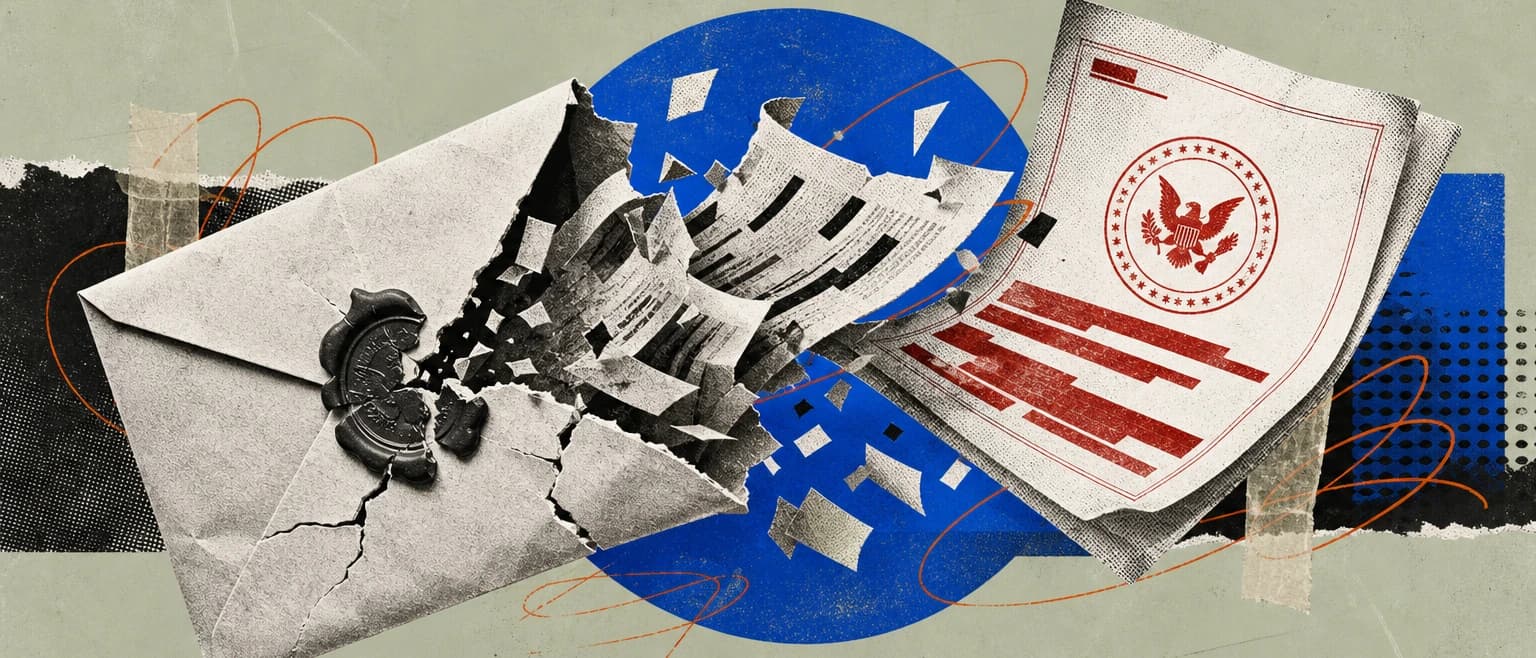
The Securities and Exchange Commission and the Food and Drug Administration have signed a memorandum of understanding establishing a formal framework for sharing non-public information about FDA-regulated public companies, according to a client alert from Crowell & Moring. The agreement gives SEC staff a defined channel to request records the FDA has not released publicly, including Complete Response Letters, meeting minutes, and application status details.
The practical shift is in access, not in the SEC's authority. The Commission has long had jurisdiction over whether an issuer's public statements about its regulatory interactions are accurate and complete. What changes under the MOU is the ease with which SEC staff can pull the underlying FDA record and compare it against what a company told the market, per the Crowell alert.
Complete Response Letters are the clearest pressure point. CRLs communicate the FDA's decision not to approve an application in its current form and often contain specifics on clinical, manufacturing, or labeling deficiencies that issuers have historically described selectively in public commentary. The FDA has separately moved toward real-time CRL publication, which already compresses the gap between the agency's view and the market's. The MOU closes it further: even where a CRL has not been published, the SEC can now request it directly.

Crowell's alert flags earnings-call commentary as a specific area to revisit. Analyst Q&A sessions frequently push management into characterizing the content of FDA meetings, the status of pending applications, or the nature of agency feedback, often in real time and without the benefit of a prepared disclosure. Those characterizations now sit against a record the SEC can obtain on request.
The firm recommends issuers audit recent SEC filings, press releases, earnings transcripts, and investor presentations for descriptions of FDA interactions, including meetings, application status, clinical trial results, and CRL content, and confirm consistency with the underlying FDA records.
Are your experts using AI to cheat?
Try our free demo to find out today.
What to watch next: the FDA's cadence on real-time CRL publication, any SEC comment letters or enforcement actions that cite the MOU as the basis for requesting FDA records, and whether issuers begin pre-clearing FDA-related earnings-call commentary with regulatory counsel at the level previously reserved for formal disclosures.
Powering institutional-grade transcription for expert networks.
INFLXD provides AI-powered, human-edited transcription with sub-1% error rates for the world's leading expert networks and financial research firms.
Visit inflxd.com →Keep reading.

How Buy-Side Firms Handle Expert-Network Call Transcripts After the Engagement Ends: 7 Retention and Access Models
A structural map of how multi-managers, long-onlys, and credit shops retain, redact, or purge expert-call transcripts once the research is done.

proSapient and Oliver Wyman publish survey on agentic AI in sales workflows
A joint survey of 100 sales leaders reports productivity gains alongside a 40% rate of AI-related incidents.

Halluminate raises $30M Series A for AI training environments
The nine-person startup building simulated finance workflows for frontier labs counts four top U.S. AI labs as customers.